Why airspace integration is central for eVTOL entry into service
By Nicole Suárez, Carbon Free Aviation Journalist
17 April 2026
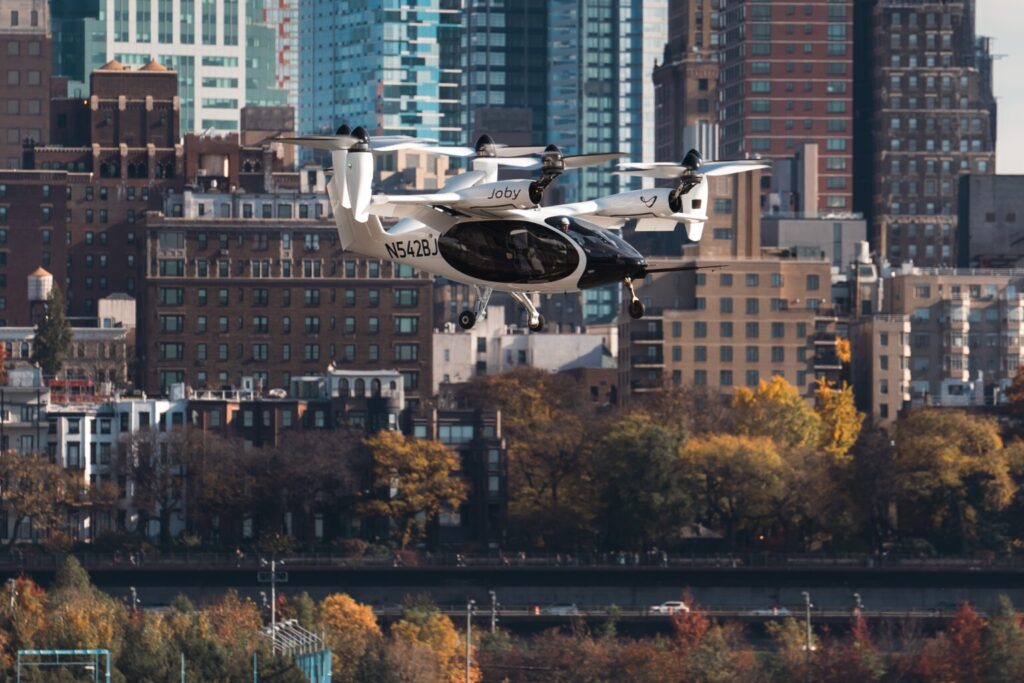
As the electric vertical takeoff and landing (eVTOL) industry advances toward commercial operations, airspace management is emerging as a key factor in determining when eVTOL services can actually begin.
In aviation, regulatory approval is required not only for aircraft certification but also for how, where, and under what conditions those aircraft operate. As a result, progress in regulatory and airspace integration efforts plays an important role in shaping commercial timelines and the future of urban air mobility (UAM).
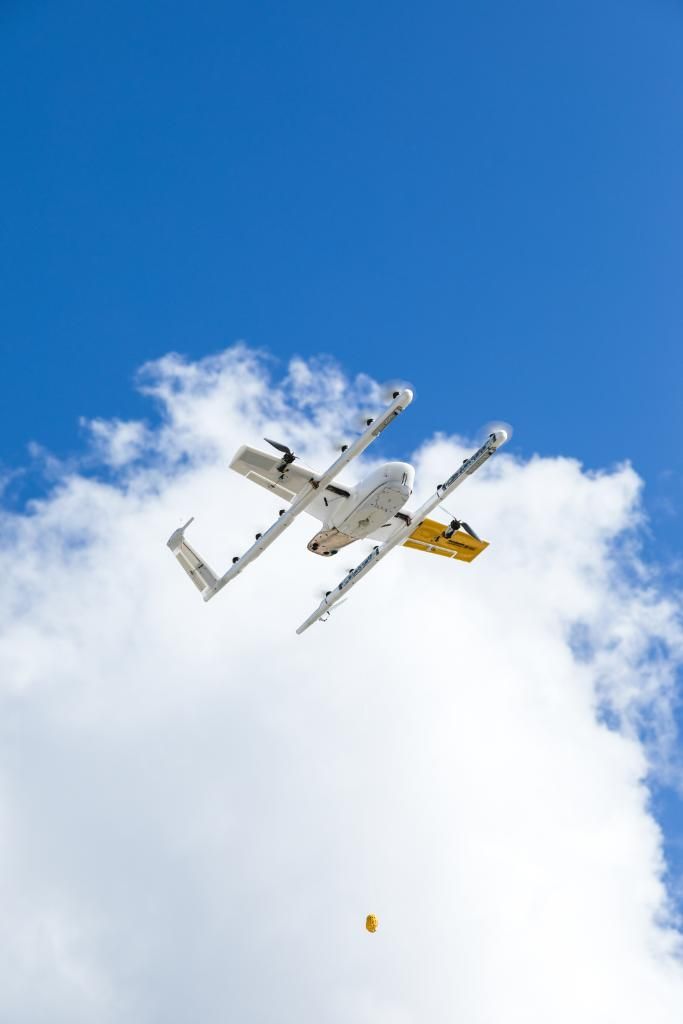
eVTOL aircraft are expected to operate in urban areas at altitudes ranging between 1,500 ft and 4,000 ft (approx. 450-1,200 meters) above ground level, a space currently occupied by helicopters and delivery drones. Introducing a higher density of eVTOL operations in this environment raises concerns about traffic separation, route planning, and congestion, aspects that existing frameworks were not designed to handle.
Frameworks are in development
To address these challenges, the Federal Aviation Administration (FAA) UAM Concept of Operations outlines a framework built around designated UAM corridors, coordinated data exchange between operators and air traffic control, and real-time separation services. Supporting these corridors, the FAA also envisions dedicated Providers of Services for Urban Air Mobility to handle operations planning, flight requests, and real-time information exchange.
A Notice of Proposed Rulemaking published in 2025 further proposed performance-based regulations for Beyond Visual Line of Sight (BVLOS) operations and third-party UAS Traffic Management (UTM) services, the infrastructure layer that would support large-scale autonomous flight.
Similar efforts are underway at the European Union Aviation Safety Agency and Brazil’s Agência Nacional de Aviação Civil, often based on performance-oriented regulatory approaches. A concrete milestone came in early 2026, when the U.S. Department of Transportation and FAA, as part of the eVTOL Integration Pilot Program (eIPP), identified eight advanced air mobility projects to conduct operational flights in active controlled airspace before those aircraft receive full type certification, targeting initial flights by summer 2026.
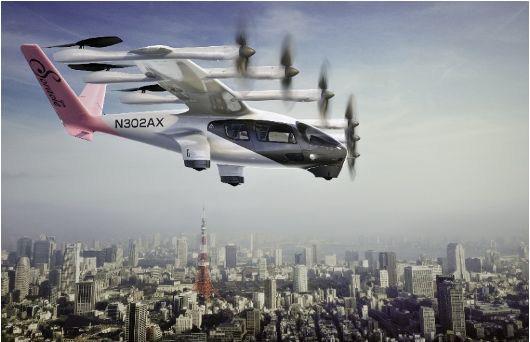
While these efforts share common objectives, differences remain in areas such as safety requirements, system assurance levels, and acceptable risk thresholds. These variations may introduce additional considerations for companies seeking to operate across multiple regulatory jurisdictions.
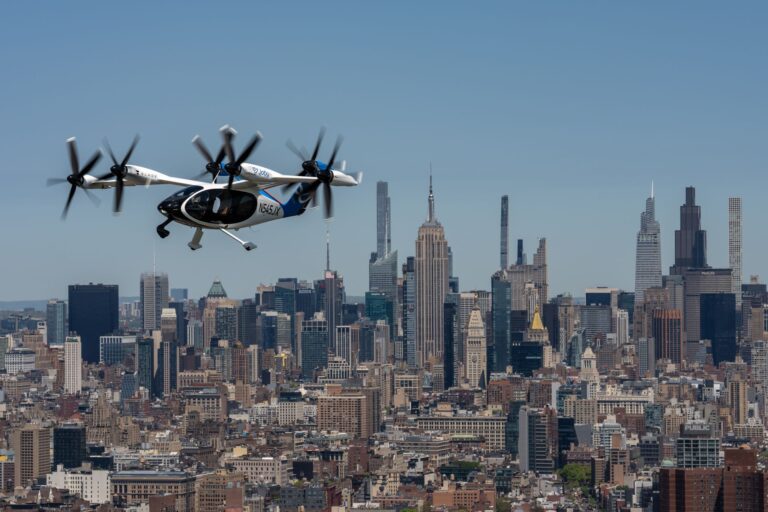
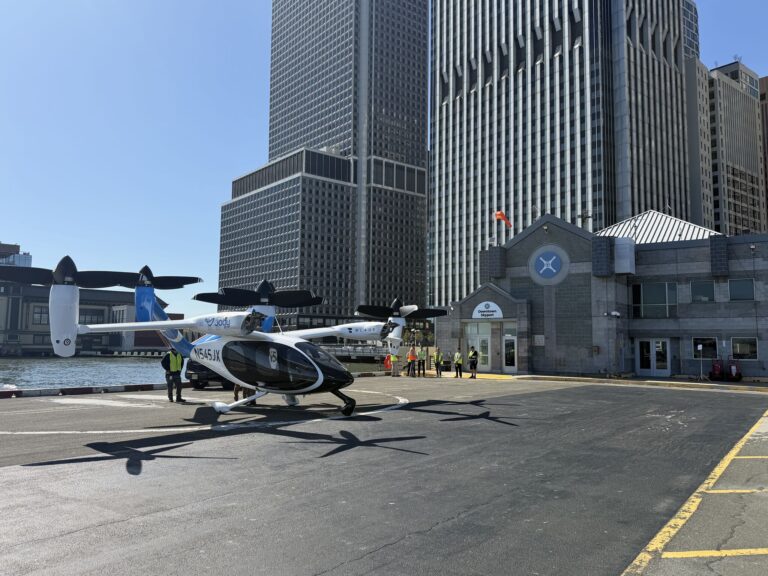
Industry is also moving to address these challenges directly. On April 7, 2026, Joby Aviation and Air Space Intelligence (ASI) announced a partnership aimed at integrating eVTOL operations into the U.S. National Airspace System. The collaboration pairs Joby’s aircraft with ASI’s Flyways AI platform, a system that already manages more than 40% of all U.S. air traffic.
Bernard Asare, ASI’s president of civil aviation, said: “Scaling advanced air mobility requires more than new aircraft — it requires a new operating system for the airspace.” Live operational exercises are expected before the end of 2026.
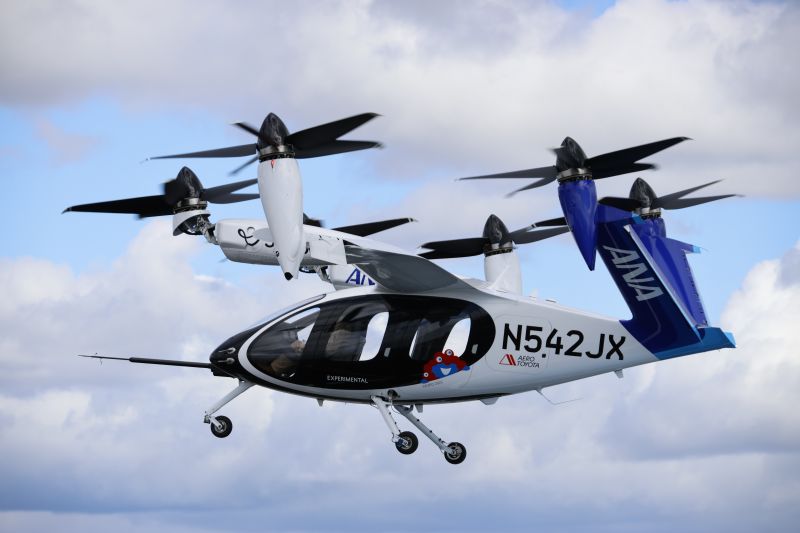
The different efforts from regulatory authorities and companies are expected to serve as a basis for the continued development of regulatory and airspace management frameworks. The ability to integrate new aircraft types into existing and emerging airspace structures will remain a central consideration for broader deployment.