Joby, ASI partnership to prepare US Airspace for air taxis amid safety concerns
By Nicole Suárez, Carbon Free Aviation Journalist
13 April 2026

Joby Aviation and Air Space Intelligence (ASI), a U.S.-based aerospace and defense software company, announced a partnership on April 7 aimed at accelerating the integration of advanced air mobility into the National Airspace System, a move that comes as the U.S. deals with deadly aviation accidents and growing doubts about its airspace management.
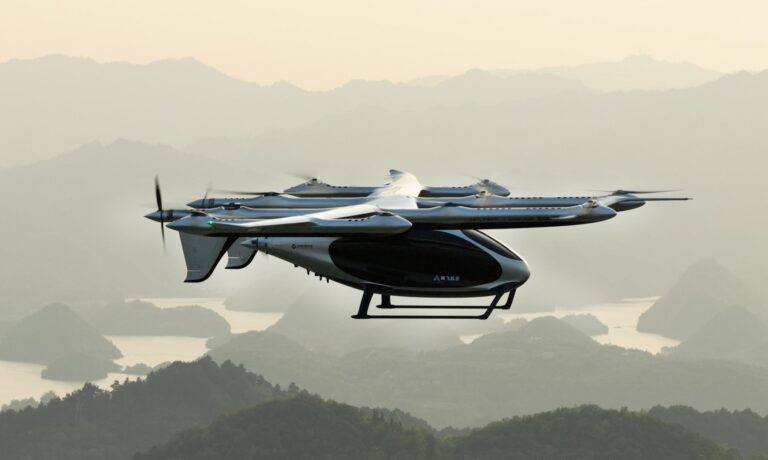
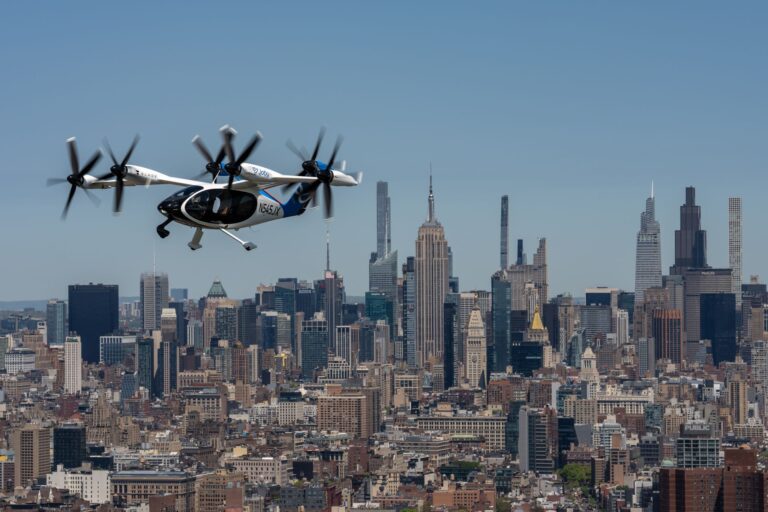
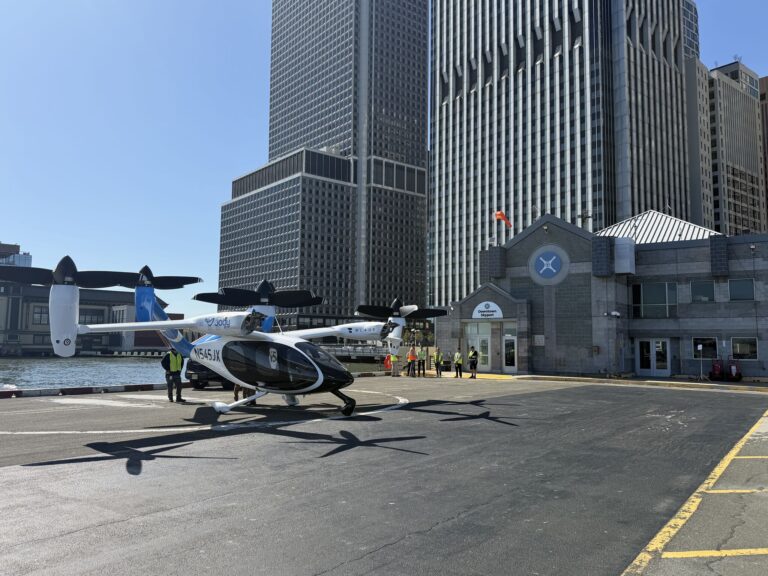
The agreement will combine Joby’s electric vertical takeoff and landing (eVTOL) aircraft with ASI’s Flyways AI platform, an open, AI-powered airspace intelligence system which uses high-fidelity 4D modeling to optimize flight operations. The companies said the goal is to ensure that as electric aircraft operations increase, airspace can support them safely and efficiently. Initial results from live operational exercises are expected by the end of 2026.
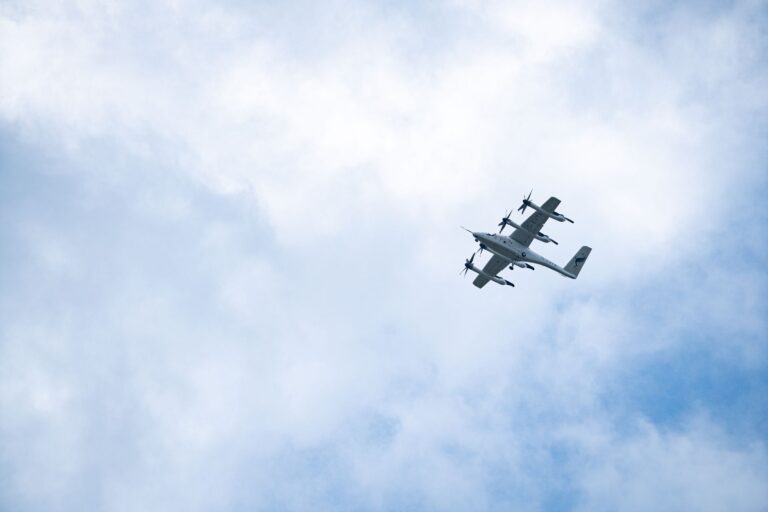
Joby Aviation is continuing its piloted demonstration flights across the San Francisco Bay Area and was recently selected as a partner in multiple winning applications under the White House-backed eVTOL Integration Pilot Program, giving the company the opportunity to begin early operations in 12 states this year.
Recent aviation incidents increase concerns with airspace management
The announcement comes at a moment when U.S. airspace management has been under heightened scrutiny. On March 24, United Airlines CEO Scott Kirby expressed concerns about the safety of rotor aircraft operations near congested airports, citing the tragedy in Washington D.C. “Unless we can do it that’s 100% safe without impacting any operations on the field, I would be opposed to it,” Kirby said, a notable reversal given that United placed a $1 billion-plus order for eVTOLs from Archer Aviation in 2021.
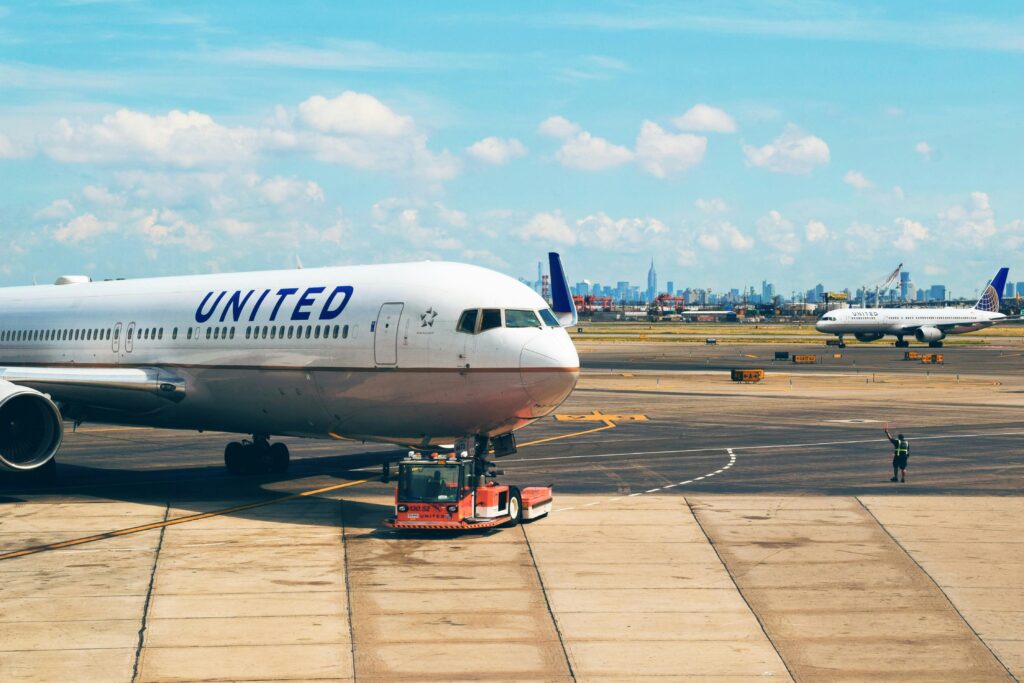
These concerns have been amplified by recent high-profile aviation incidents. One of the most notable was the one Kirby mentioned: the 2025 Potomac River mid-air collision, in which a regional jet and a U.S. Army helicopter collided near Ronald Reagan Washington National Airport, killing all 67 people aboard.
The National Transportation Safety Board (NTSB)’s final report cited systemic failures in airspace design, safety oversight, and risk management by both the Federal Aviation Administration (FAA) and the U.S. Army as contributing causes.
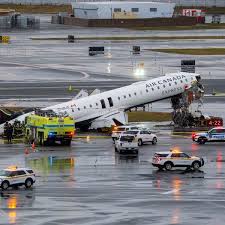
More recently, in late March, an Air Canada flight arriving at LaGuardia Airport struck a Port Authority firefighting truck that had been dispatched to respond to a separate incident involving a United Airlines plane on the ground. Both pilots of the Air Canada flight were killed, and 41 passengers and crew were taken to the hospital.
Preliminary findings pointed to communication breakdowns and limitations in ground surveillance systems as contributing factors. The NTSB investigation into that accident is ongoing.
While the causes of these incidents differ, both have reinforced the importance of stronger coordination systems and clear operational procedures in complex aviation environments.
The Joby and ASI collaboration is part of a broader effort to build more robust, technology-driven airspace management. The partnership will explore how the FAA’s planned next-generation air traffic control system can support more automated, software-defined approaches to airspace coordination, enabling increasingly autonomous flight operations.
ASI’s platform currently manages over 40% of all U.S. air traffic and powers live defense operations.
“America has long set the global standard for aviation, and modernizing our airspace is key to maintaining that leadership,” said Greg Bowles, Chief Policy Officer at Joby Aviation. The partnership’s live operational exercises are expected to begin later this year.