Vertical Aerospace Begins Hybrid-Electric Testing, Advances Battery Production
Bristol-based eVTOL maker begins hybrid powertrain testing and produces first battery from upgraded line as it advances towards regulatory approval
By Nicole Suárez

Vertical Aerospace announced on Tuesday the beginning of ground testing of a hybrid-electric propulsion system and producing the first battery from a recently upgraded manufacturing line, which will support its efforts towards certifications and an expansion of its aircraft programme.
The battery milestone connects directly to Vertical’s ongoing certification process with the UK Civil Aviation Authority and the European Union Aviation Safety Agency. To complete type certification, the company needs to build seven certification aircraft, each requiring batteries produced on a documented, aerospace-grade manufacturing process.
Battery packs from the line will support the seven Valo certification aircraft needed to complete the type certification process, according to a March announcement, and will undergo environmental and operational testing before installation.
The hybrid propulsion work is at an earlier stage. Vertical has begun running its turbogenerator (a gas turbine paired with an electric generator) on a dedicated test rig at its Flight Test Centre at Cotswold Airport, which it calls the Hybrid Propulsion Evaluation Rig, or HYPER. The rig is designed to validate the full powertrain and test control architecture and fault responses before any ground or flight testing of an actual aircraft.
The system has been in development for more than two years and is being built with partners to run on sustainable aviation fuel. It did not name those partners in Tuesday’s release.
“Advancing our battery technology and manufacturing capability is critical to certification and scaling production,” said Stuart Simpson, CEO of Vertical Aerospace.
The hybrid variant is a separate programme from the all-electric Valo, which remains Vertical’s primary certification effort. If brought to market, the hybrid version would require its own certification with the CAA and EASA, a process with limited regulatory precedent, given the novelty of integrating a turbogenerator into an eVTOL airframe.
Vertical is targeting a range of up to 1,000 miles for the hybrid variant and a payload capacity of up to 1,100 kilograms, figures that would represent a significant expansion over the all-electric version.
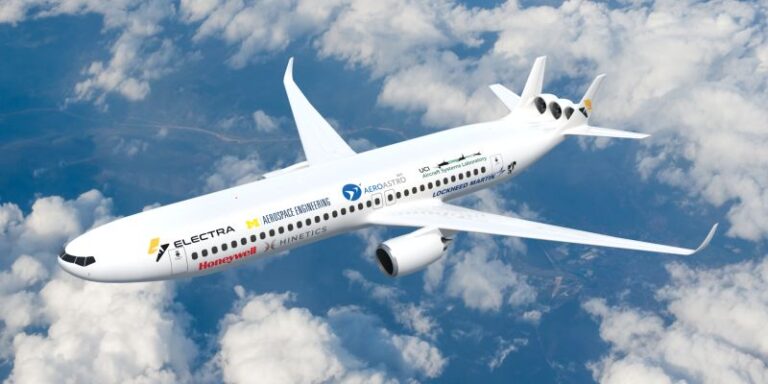
The company also pointed to potential defence applications, citing the hybrid variant’s low noise and heat signatures and its compatibility with uncrewed operation through a flight control system being developed by US aerospace supplier Honeywell. The defence framing has become more prominent in Vertical’s communications in recent months, as it looks to expand its market beyond commercial air taxi operations.
Vertical has approximately 1,500 pre-orders for the Valo from customers including American Airlines, Japan Airlines and Avolon. Vertical Aerospace is targeting full regulatory certification for its Valo eVTOL aircraft in 2028.