Electra Reveals Turbo-Electric Airliner Concept Under NASA Sustainability Program
Virginia firm’s NASA-backed study pairs double-bubble fuselage with electric tail fans in bid to cut fuel burn on 100-plus-seat aircraft.
By Nicole Suárez
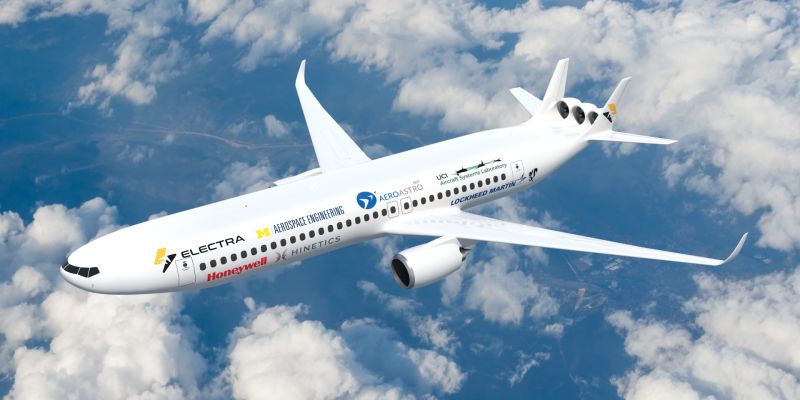
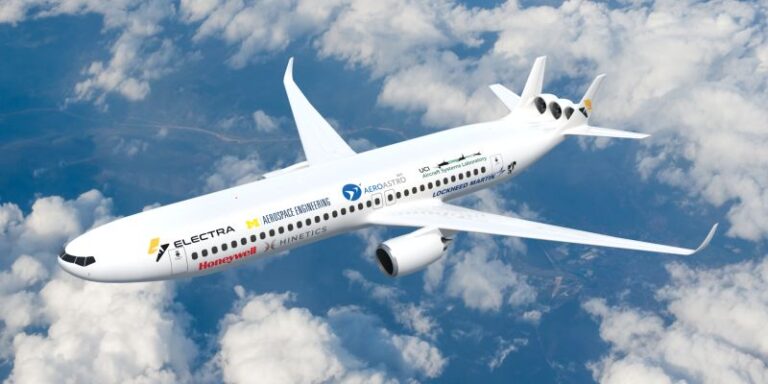
Virginia-based hybrid-electric aviation company Electra has unveiled a conceptual turbo-electric aircraft design for commercial airliners carrying 100 or more passengers, developed as part of NASA’s Advanced Aircraft Concepts for Environmental Sustainability (AACES) 2050 program.
The study, announced June 8, examines how targeted electrification, advanced aerodynamics, and integrated airframe-propulsion design could improve efficiency in commercial aviation by the middle of the century. According to the company, the configuration could deliver up to a 17% efficiency improvement beyond gains already expected by 2050 from advances in structures, engine technologies, and aerodynamics.
The design builds on earlier NASA-backed research at the Massachusetts Institute of Technology (MIT), which explored similar wide-fuselage configurations and boundary layer ingestion propulsion systems. Electra’s concept revisits that architecture with electrification and distributed propulsion layered on top.
A central feature of the concept is a wide “double-bubble” fuselage, an unconventional airframe shape that allows the body of the aircraft to generate additional lift. The aircraft would also employ two underwing turbofan engines that provide both thrust and electrical power.
That electricity would drive electric fans mounted at the rear of the aircraft, which capture and re-accelerate the slow-moving air that builds up along the fuselage, reducing drag. The technique is known as boundary layer ingestion.
The project was led by Dr. Alejandra Uranga, Electra’s Chief Engineer for Research and Future Concepts, who co-led the NASA-sponsored MIT research that produced the earlier double-bubble designs. “Designing the aircraft as a whole system is essential to realizing the full potential of future commercial aircraft,” Uranga said.
According to the company, the concept was designed to remain compatible with existing airline operations, fitting within existing airport gates and relying on conventional jet fuel or sustainable aviation fuel rather than requiring new airport charging infrastructure or alternative fuel systems.
The design would also accommodate a twin-aisle cabin within a narrowbody-class platform, a configuration that could offer operational and passenger-flow advantages compared with conventional single-aisle aircraft.
Beyond the aircraft concept itself, Electra reported producing 11 technical papers detailing the methodologies and findings from the study. The company also adopted NASA’s open-source Aviary aircraft design platform and developed an electrified aircraft design suite intended for public use by researchers and engineers.
The effort involved collaboration with organizations across industry and academia, including American Airlines, Honeywell Aerospace, Lockheed Martin Skunk Works, the Massachusetts Institute of Technology Department of Aeronautics and Astronautics, the University of Michigan Department of Aerospace Engineering, and the University of California, Irvine Aircraft Systems Laboratory.
The company called for a NASA-accelerated technology initiative to bring the underlying technologies to readiness by 2035. Without that investment, Electra indicated, the concept is unlikely to reach commercial service by its 2050 target. No such program has been confirmed.
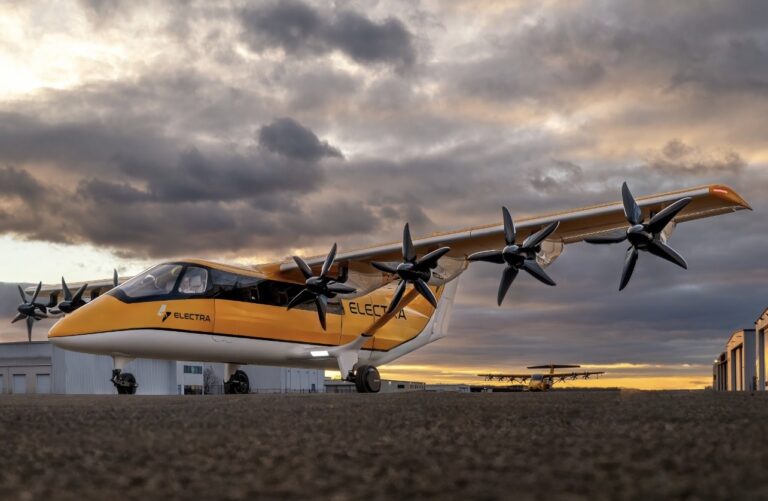
Electra, best known for its nine-passenger EL9 hybrid-electric aircraft targeting short-field operations, said the AACES work represents a separate research track focused on mainline commercial aviation.