UK Government Commits £46.5 Million to Advance Drone and eVTOL Regulation
Funding targets drone identification systems and faster regulatory approvals for advanced air mobility.
By Nicole Suárez
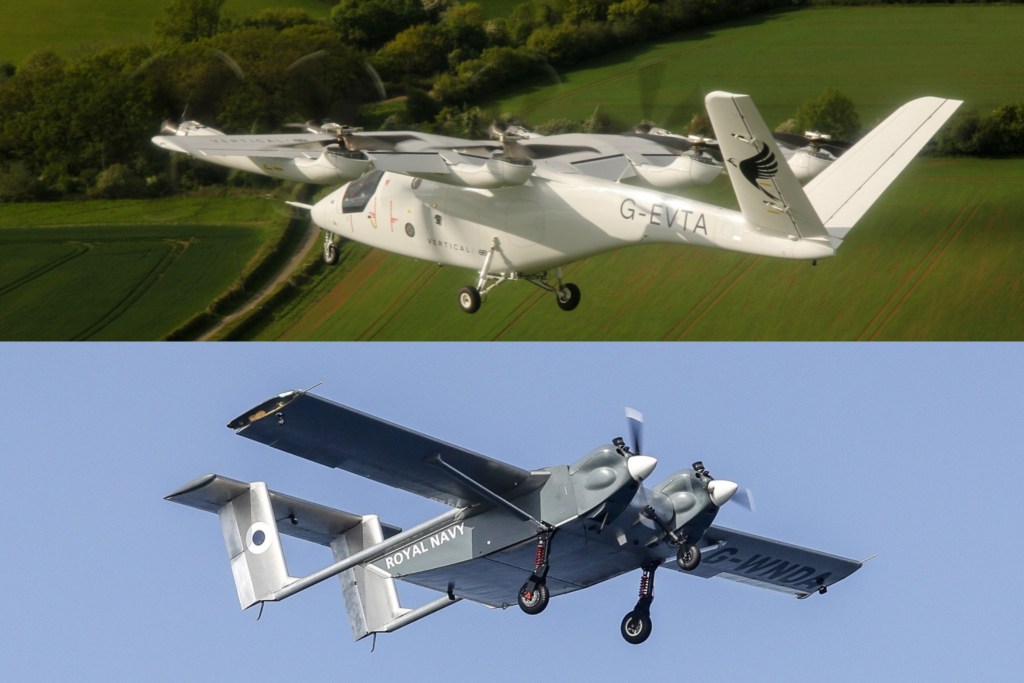
The UK government announced a £46.5 million investment package aimed at accelerating the development and regulation of drones and advanced air mobility technologies, including electric vertical takeoff and landing (eVTOL) aircraft.
The funding, delivered on 5 May through the Civil Aviation Authority (CAA), includes nearly £20.5 million intended for the development of a drone identification system, described by the government as a “numberplate for the skies.” The system would allow law enforcement to track drones in real time and access historic flight data, with the stated aim of enabling action against illegal operators while clearing the way for legitimate commercial use.
The remaining £26 million is directed at regulatory reform, including faster approvals for drone operations in emergency response, medical logistics and infrastructure inspection, as well as a streamlined digital application process for operators.
UK Aviation, Maritime and Decarbonisation Minister Keir Mather said the investment is intended to “unlock barriers to growth” while supporting jobs, lower emissions and innovation in aviation technologies.
For the eVTOL industry, the government explicitly linked the funding to an ambition to have flying taxis operating in UK skies from 2028. Regulatory frameworks must be in place ahead of any commercial launch, making the pace of CAA reform a direct concern for companies seeking type certification and operational approvals in the UK.
Type certification, the process by which an aviation authority formally approves an aircraft design as safe to fly, is a lengthy procedure, and no eVTOL aircraft has yet received full certification from either the CAA or its US counterpart, the Federal Aviation Administration, for passenger operations.
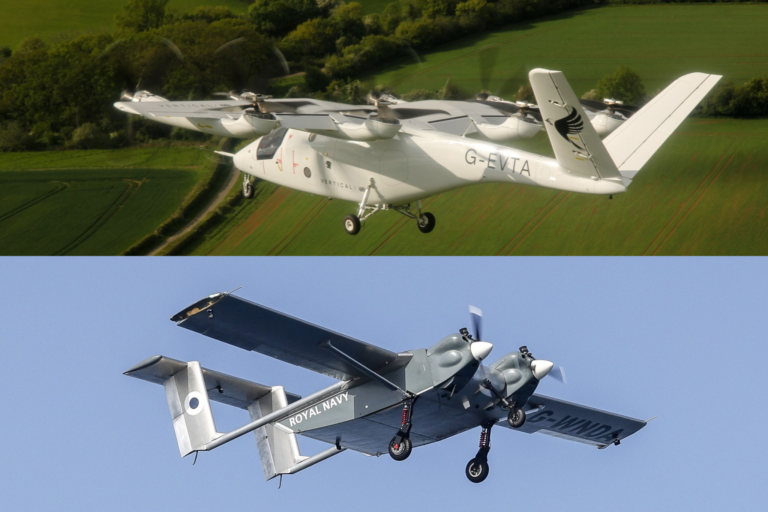
The 2028 timeline aligns with targets set by companies including the UK-based eVTOL developer, Vertical Aerospace, which is aiming for full regulatory certification of its Valo aircraft that same year.

Stuart Simpson, CEO of Vertical Aerospace, said the announcement reflected what the sector needs. “To lead in advanced air mobility requires a regulatory system that can move at pace while maintaining the highest safety standards,” he said. “The UK’s CAA has been a serious and constructive partner, and this investment is a further step towards positioning the UK at the leading edge of the eVTOL sector, as it moves towards commercial operations.”
The government projected that advanced air mobility and drone technology could contribute up to £103 billion to the UK economy over 25 years, though it did not detail the source or methodology behind that projection.