Cargo Drone Market Defines the Future of Air Freight Logistics
July 25 2025, by Samuel Herrera Carbon Free Aviation Journalist
Amid an accelerating transformation in global supply chains, the cargo drone market has begun to position itself as one of the most promising segments of modern logistics, a new report published by “Report Ocean” estimates that the value of this sector reached $680 million in 2022 and projects a Compound Annual Growth Rate (CAGR) of 38.1% through 2030.
This projection not only illustrates the growth of an emerging niche, but suggests a long-term structural shift in how goods will be transported at the regional and urban level, the key question for logistics, technology and investment decision makers is not whether this industry will grow, but who is positioned to lead it, and how quickly it can scale in terms of infrastructure, regulation and operational adoption.
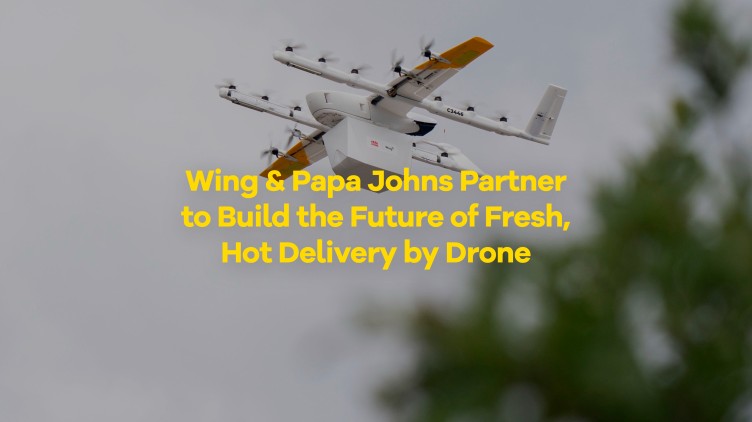
The rise of global trade is undoubtedly the main catalyst behind the expected growth, with millions of consumers demanding faster, personalized and sustainable deliveries, logistics operators face increasing pressure to diversify their distribution methods, in this context, cargo drones offer a viable and scalable solution for “last mile” and, increasingly, “middle mile” operations, which have traditionally been slow, costly or environmentally intensive.
Unlike manned or conventional models, these drones enable faster deliveries in congested areas, remote rural areas or regions with limited road infrastructure, opening up opportunities not only for traditional logistics operators, but also for governments seeking to expand access to basic services such as health, education and food in isolated communities.
The need to reduce carbon emissions in the transportation sector is one of the most important structural challenges facing the global economy, and in this sense, the massive deployment of unmanned electric drones could offer a concrete solution, especially on short-haul routes, and as regulatory frameworks evolve, with examples already visible in the United States and some Asian countries, tax incentives and technical certification frameworks are likely to further accelerate the adoption of drones. In parallel, the maturation of battery, autonomy and aerial management technologies will also facilitate more efficient, safer and scalable operating models.
Geographically, North America is currently the most consolidated market, with the United States leading the development of standards, test routes and public-private partnerships. However, the most accelerated growth is expected in Asia, driven by rapid urbanization, the growth of e-commerce in emerging markets and increased government willingness to test disruptive technologies.
From a strategic perspective, it is advisable for stakeholders to take early positions in this market, as doing so could benefit not only from the organic growth of the industry, but also from economies of scale, regulatory advantages and significant barriers to entry, recent experience with Urban Air Mobility (UAM) shows that companies with advanced regulatory pilots and strong institutional partners tend to attract institutional investment more readily, and move more quickly to commercial operation.
In this context, the next five years will be decisive; the evolution of regulatory frameworks, the availability of climate finance, the integration of drones into existing logistics chains and public perception of their safety and utility will determine whether this industry becomes a fundamental part of the global logistics ecosystem, If the estimated growth materializes, the cargo drone market could substantially reshape distribution and access dynamics across multiple industries, from healthcare to retail.
For those analyzing strategic investments or looking for opportunities in sectors adjacent to transportation, logistics or sustainability, this industry represents a rare intersection between need, technical feasibility and regulatory pressure. Identifying today the stakeholders with the real ability to execute could make the difference between observing change from a distance or participating directly in its construction, the cargo drone market is not just an emerging trend; it is a clear sign of where transportation is headed in the coming decades.
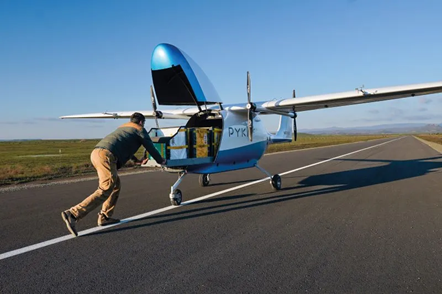
Image property of: Aero Space Testing International