What Joby and Archer's job boards reveal about the eVTOL race
By Nicole Suárez, Carbon Free Aviation Journalist
27 March 2026
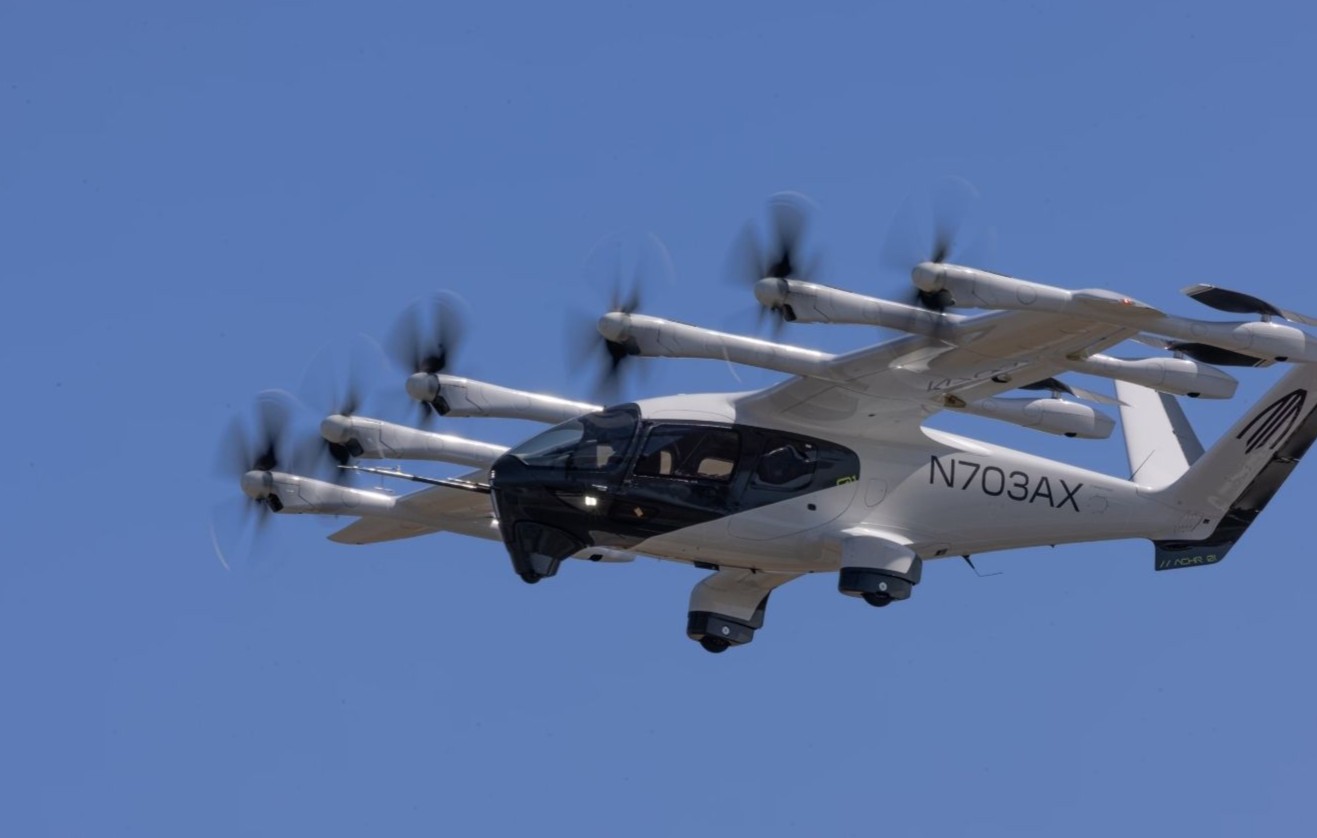
The race to commercialize electric vertical take-off and landing (eVTOL) aircraft is often framed through technological milestones and regulatory progress. Yet an equally revealing indicator lies in a less visible area: hiring patterns.
Joby Aviation and Archer Aviation are both actively recruiting, and Carbon Free Aviation took a close look at their activity, workforce composition and spoke with advanced technology recruiter Joe Rooney, to know how far are the companies racing toward the same finish line from slightly different positions on the track.
Where each company stands
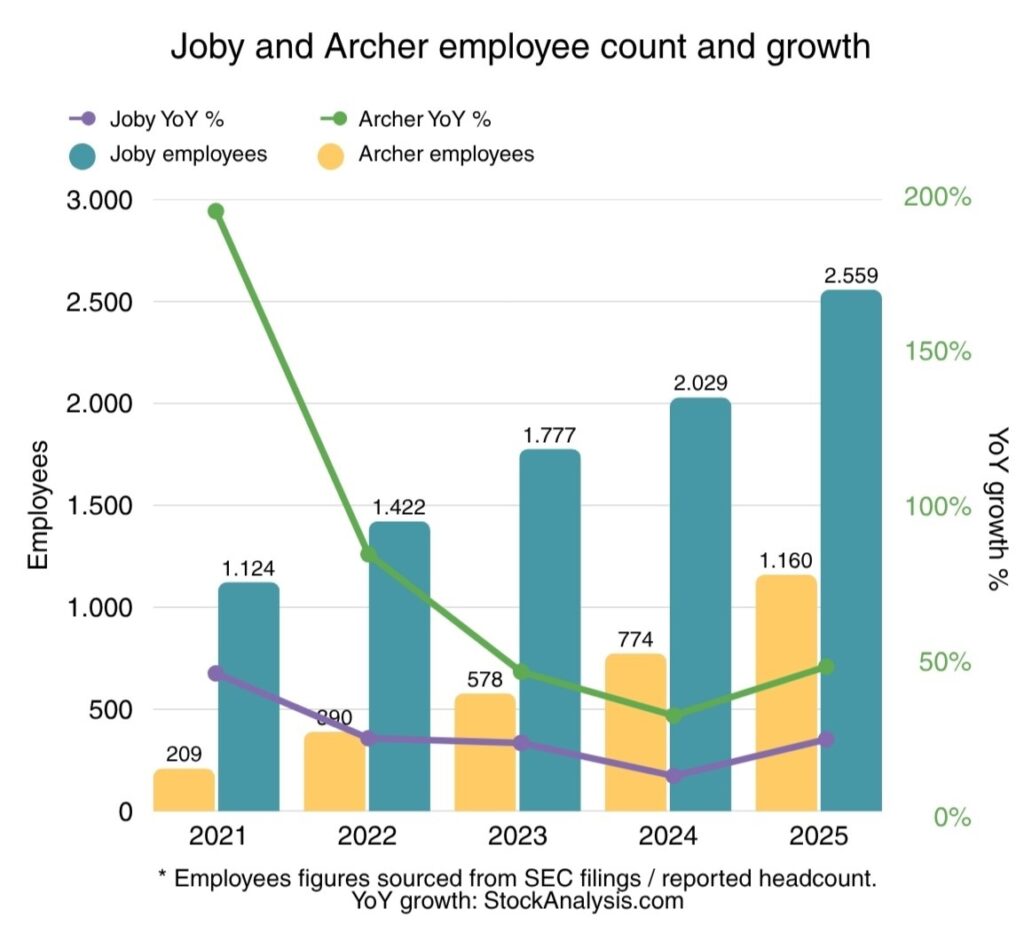
In its most recent SEC filing, Joby Aviation, the Santa Cruz-based eVTOL developer, reported approximately 2,550 employees, a 14.18% increase over the prior year. Currently the company lists around 271 open positions on LinkedIn and its official career site. This represents an estimated targeted expansion of roughly 10%.
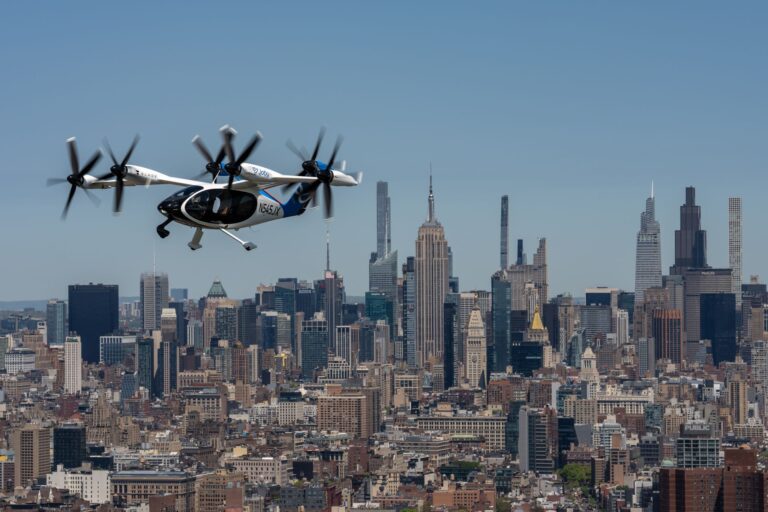
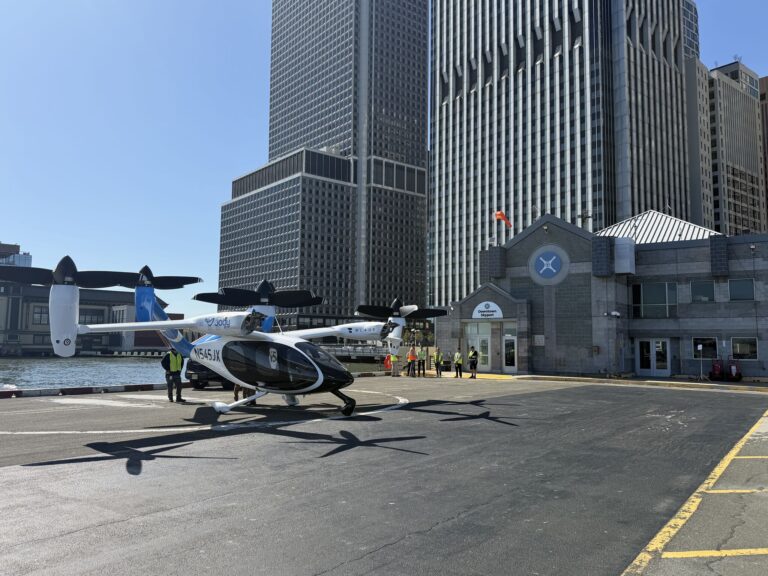
Joby has completed Stage 3 of the FAA’s five-stage type certification process and is now in Stage 4, the for-credit testing phase, having begun flight testing its first production-conforming aircraft in early March 2026.
Archer Aviation, its San Jose-based rival, reported a workforce of 1,160, and is posting around 200-233 openings on both LinkedIn and its career page. This implies a planned headcount growth of roughly 20%. For context, Archer’s workforce saw a 49.87% single-year surge in 2025 alone.
Archer’s FAA Means of Compliance was accepted in January 2026, and the company is now working through its detailed certification and testing campaign, with a commercial launch targeted for 2026.

What the jobs actually say
Joby’s current openings reveal a company deep in its transition from development to manufacturing. Roles for technicians, quality assurance inspectors focused on composite parts, and apprenticeship programs for multi-shift production workers are some of the open roles available. In January 2026, Joby agreed to acquire a facility in Ohio to support production expansion, with plans to increase output at its California and Ohio sites to around four aircraft per month by 2027.
Archer’s 200-233 openings reveal a company at a slightly earlier but rapidly advancing stage, simultaneously finalizing aircraft design integration, pushing through FAA certification, and standing up its Huntington Beach manufacturing facility. Open roles span CAD integration engineering, tooling design, supply chain systems analysis, and AI research, suggesting a company building its digital factory backbone before its production lines are fully running.
The pattern is similar in other industries
Joe Rooney, a recruiter specializing in advanced technology sectors including Electric Vehicles, Autonomous Vehicles, and Robotics, sees the same pattern playing out across industries adjacent to eVTOL.
“We’ve definitely observed a pivot from mainly R&D and design-focused engineering roles towards manufacturing, operations, supply chain, integration, and field deployment roles,” he told Carbon Free Aviation. “As companies move from prototyping to production and commercialization, the need for talent that can realize these designs at scale becomes paramount.”
On compensation, Rooney notes that emerging technology firms typically offer more competitive base salaries and significantly more compelling equity packages than traditional aviation employers, but traditional aviation still offers stability and clearer career pathways. “The trade-off often comes down to individual risk tolerance and long-term wealth creation potential,” he said. The candidates commanding the highest premiums are those who can bridge both worlds.
What the hiring data ultimately reflects is a sector in transition. Both companies have moved past the conceptual phase and are now building the operational infrastructure that commercial aviation requires. Yet the continued demand for design and engineering talent serves as a reminder that the eVTOL industry, despite its rapid advances, remains a work in progress. Whether the timelines hold will depend as much on who they hire as on what they build.