SkyDrive earns Japan's first eVTOL Approved Design Certification
By Nicole Suárez, Carbon Free Aviation Journalist
22 April 2026

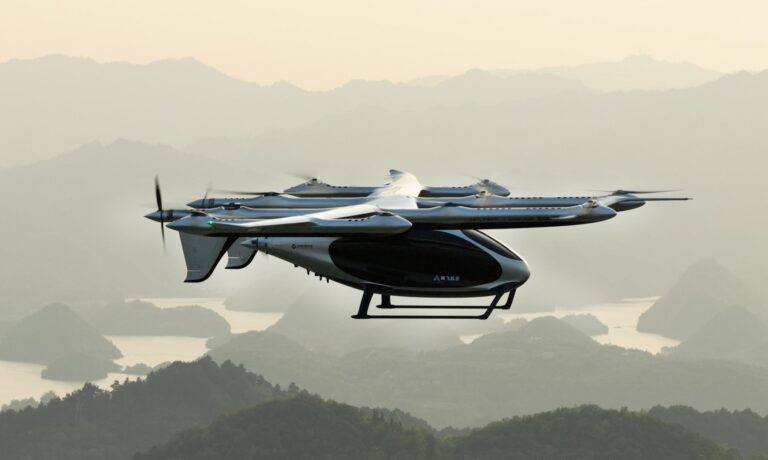
SkyDrive Inc. became the first electric vertical takeoff and landing (eVTOL) developer in Japan to receive “Approved Design Organization” (ADO) certification from the Japan Civil Aviation Bureau (JCAB), the company announced on April 20, 2026. Skydrive has plans to launch commercial flying car services by 2028.
The certification, issued on April 15, was granted under the Ministry of Land, Infrastructure, Transport and Tourism and formally recognizes that SkyDrive possesses quality control and safety management systems for aircraft design and post-design inspection.
The ADO designation is equivalent to the Design Organisation Approval issued by the European Union Aviation Safety Agency and the Organization Designation Authorization granted by the U.S. Federal Aviation Administration, giving SkyDrive’s engineering credentials international recognition at a moment when the global advanced air mobility industry moves toward commercialization
In practical terms, it authorizes the company to conduct a portion of the safety inspections that would otherwise be carried out directly by government officials, which the company says will help streamline its development and certification pipeline.
As of April 2026, SkyDrive became one of only six companies in Japan to hold the certification, a group that otherwise consists of established aerospace manufacturers.
Where the certification process stands
The ADO designation is one component of a broader regulatory journey. SkyDrive’s primary objective is a Type Certificate for its SD-05 aircraft, the government validation required before an aircraft design can operate commercially. That process is structured across six steps.
In March 2026, the company reached agreement with JCAB on its General Certification Plan, a document outlining all activities required to demonstrate the aircraft’s compliance with legal requirements and the cooperative steps between the regulator and SkyDrive.
SkyDrive has submitted all remaining system-specific certification plans to JCAB, where they are currently under review. Once agreement is reached on those plans, the program is expected to advance to compliance testing, which the company describes as the final stage of the development phase.
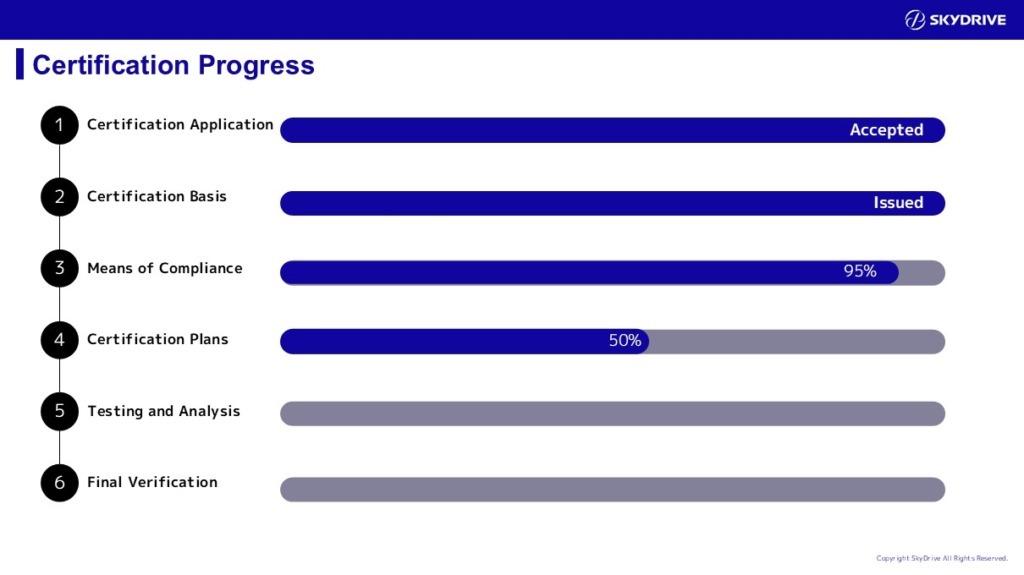
Image Credit: SkyDrive
The company is currently working through Steps 3 and 4 of the six-step process: agreeing on detailed design standards and on how specific tests will be executed. Compliance testing, where the aircraft must demonstrate in practice that it meets each agreed standard, lies ahead.
SkyDrive’s CTO Arnaud Coville said in March that only a limited number of companies worldwide have reached this stage in the type certification process.
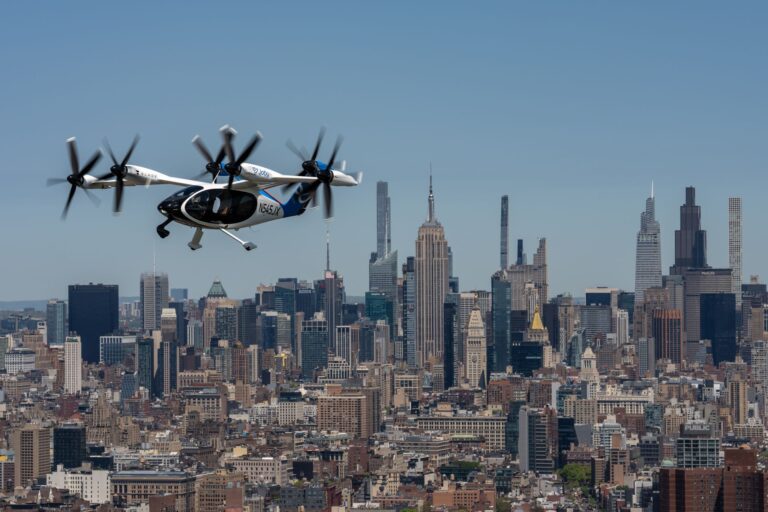
That said, some U.S.-based competitors are further along in their respective FAA certification processes. Joby Aviation completed Stage 4 of the FAA’s five-stage type certification process in late March 2026, with a commercial launch targeted for late 2026. Archer Aviation, meanwhile, is still actively pursuing type certification for its Midnight aircraft. Archer is targeting first passenger-carrying flights in 2026, as the company said in their FY 2025 quarterly results.
SkyDrive’s commercial target remains a service launch from 2028 onward. The company says the ADO framework will allow it to move with greater speed in design iterations and compliance testing on the path toward Type Certification.
Coville also indicated that SkyDrive plans to first complete type certification with JCAB before pursuing a pathway to FAA certification, a step that would be necessary to enter the U.S. market.