Drones at the center of the Middle East conflict
By Nicole Suárez, Carbon Free Aviation Journalist
15 April 2026
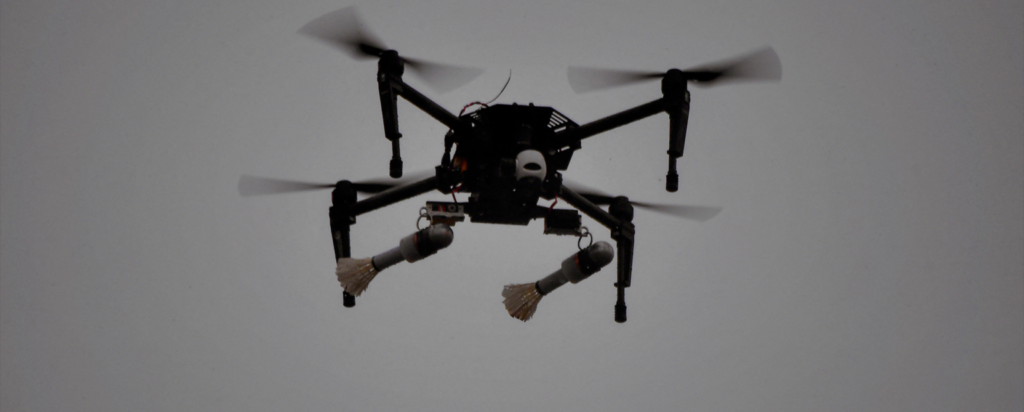
The current conflict between the United States, Israel, and Iran has brought into focus the central role of unmanned aerial systems (UAS), commonly known as drones, in modern warfare.
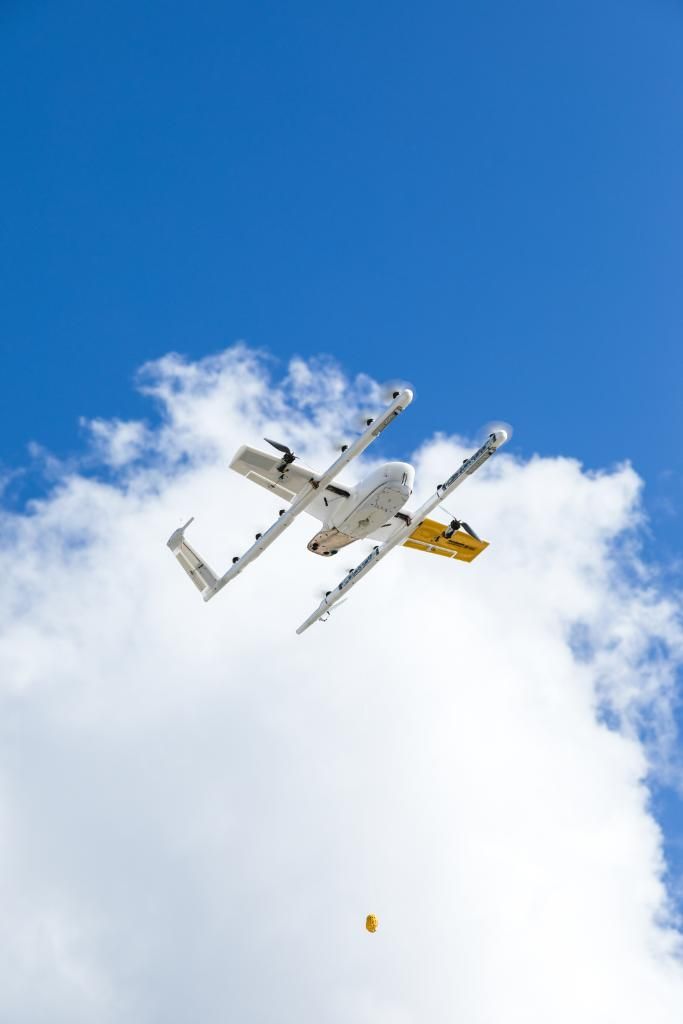
In recent years, drones have been used for different purposes; from commercial delivery with companies like Amazon and Wing, to precision agriculture and healthcare logistics in rural and areas that are hard to reach. Now, that same technology has emerged as a strategic tool shaping the course and the cost of the active military confrontations in the Middle East.
Although drones have been used in conflicts for decades, their widespread deployment expanded significantly during the Russia-Ukraine War, where large-scale and low-cost drone operations became a defining feature of combat. These developments have since influenced military tactics across the Middle East, including in the current conflict.
On February 28, the United States and Israel launched coordinated strikes on Iran, targeting military and government sites. Iran responded with missile and drone strikes against Israel, U.S. bases, and American allies across the Gulf.
As part of its broader military approach, Iran has relied extensively on UAS. Known as Shahed drones, these guided munitions fly toward pre-designated targets and detonate on impact, according to Open Source Munitions Portal, and have an estimated unit cost of between $20,000 and $50,000.
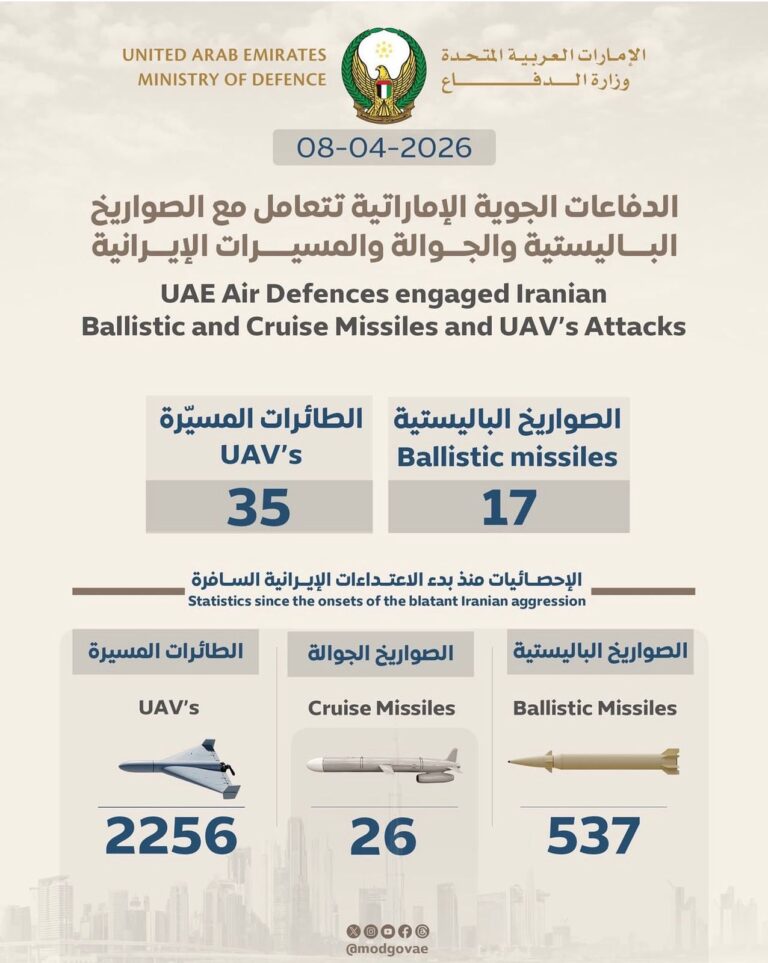
Iran has launched waves of drones toward Israel and U.S. bases across the Middle East, often as part of coordinated retaliatory barrages. These strikes have reached critical facilities, including ports and oil storage sites. By early April, the UAE Ministry of Defence reported that Iran had fired more than 2,200 drones at targets within its territory alone, with strikes also recorded in Bahrain, Kuwait, Qatar, and Saudi Arabia.
Their relatively low production cost compared to conventional missiles allows for saturation attacks, a military tactic in which the attacking side hopes to gain an advantage by overwhelming the defending side, in this case, its air defense systems.
According to the Center for Strategic and International Studies, Israel’s Iron Dome, for instance, intercepts incoming threats using missiles that cost approximately $50,000 each, while the more advanced David’s Sling system fires interceptors valued at around $1 million per unit, meaning Iran can potentially expend a $20,000 drone to trigger a response costing fifty times as much.
In the first days of the conflict, American forces fired approximately 170 Tomahawk cruise missiles in just 100 hours, roughly three times the number the Pentagon had requested from defense contractor Raytheon for the entire 2026 fiscal year, as noted by Stephen Flynn, a national security expert at Northeastern University. Flynn cautioned that domestic manufacturing constraints limit how quickly weapons stockpiles can be replenished
The military campaign in Iran is already consuming munitions at a speed that even the United States cannot easily sustain, a sign, analysts in the Bulletin of the Atomic Scientists say, of how fundamentally drone warfare is reshaping the economics of modern conflict.