BETA leads eIPP selections as losses widen in Q1 2026
Vermont electric aircraft developer posts modest revenue growth while ramping certification programs and expanding FAA pilot program footprint
By Nicole Suárez

BETA Technologies reported a wider net loss in the first quarter of 2026 as the electric aircraft developer continued investing heavily in certification, infrastructure, and preparations for commercial operations, while also slightly increasing revenue.
The South Burlington, Vermont-based electric aerospace company posted first-quarter revenue of $10.1 million, modestly up from $9.6 million in the same period last year. Most of that came from service revenue, while product revenue remained limited. The company has not yet begun large-scale commercial aircraft deliveries, as it is still working toward FAA type certification for its electric aircraft.
According to BETA’s regulatory filings, service revenue was drawn from engineering contracts, charging network fees, and government arrangements, while product sales consisted mainly of propulsion components and ground equipment rather than aircraft.
Net loss for the quarter reached $122.3 million, driven largely by a surge in research and development spending, which rose to $91.7 million from $57.9 million in the same period last year. General and administrative costs also climbed, from $28 million to $47 million.
Despite the losses, the company ended the quarter with approximately $1.6 billion in cash and equivalents, reflecting capital raised through its late-2025 initial public offering. This marks one of its first quarterly reports as a publicly traded company.
Program Progress
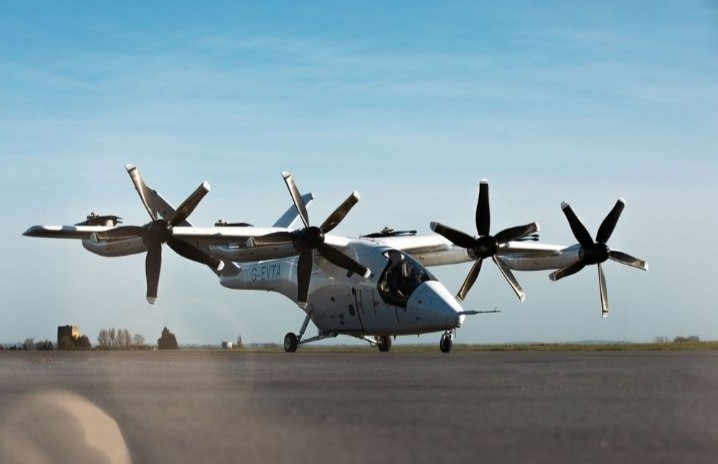
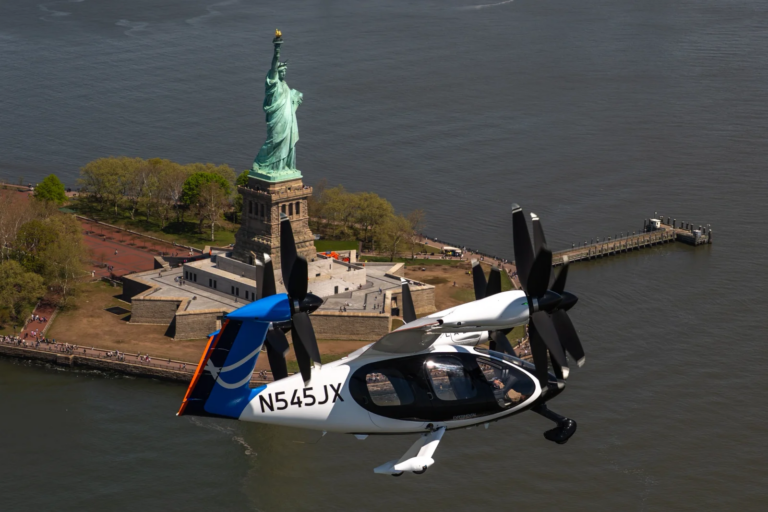
The developer was selected for seven of the eight projects under the Federal Aviation Administration (FAA) and the U.S. Department of Transportation’s eVTOL Integration Pilot Program (eIPP), covering operators across 26 states. The eIPP is a federal initiative intended to accelerate the safe integration of electric vertical takeoff and landing (eVTOL) aircraft into the U.S. National Airspace System.
“Our aircraft will carry out a range of missions, from critical cargo and medical to passenger,” President and CEO Kyle Clark said in a BETA press release back in March, when the program was launched. “This program will allow us to begin those missions, bringing connectivity and access to communities across the U.S.”

In a partnership with GE Aerospace, BETA completed a preliminary design review of a hybrid-electric turbogenerator system intended to support its MV250 VTOL aircraft in defense applications. The company also disclosed additional contracts with General Dynamics in the area of undersea propulsion.
The company’s commercial aircraft order backlog grew to $3.9 billion across 991 aircraft, adding more than $375 million during the quarter, including a new agreement with Surf Air Mobility. BETA also expanded its charging network to 123 sites globally, adding 16 sites during the quarter, and signed an agreement with the Florida Department of Transportation to provide 34 chargers and thermal management systems.
“BETA has made critical progress in support of our stepwise approach to electrify aviation, demonstrating our leadership position in the advanced air mobility sector as we prepare to enter eIPP operations,” Clark said in the announcement. He also noted that BETA has now flown more than 139,000 nautical miles across its aircraft family.
Shares rose 1.7% on the day following the report, closing at $18.42.