Gulf eVTOL plans at risk as Middle East conflict enters fourth week
By Nicole Suárez, Carbon Free Aviation Journalist
25 March 2026
Despite early speculation that hostilities in the Middle East would last no more than a week, 23 days have passed as of March 23, and the conflict has only deepened, showing no signs of ending soon. For the electric vertical takeoff and landing (eVTOL) industry, which had staked its most ambitious commercial bets on the Gulf, the conflict can negatively impact the industry’s future development.
The Gulf as an AAM hub
In recent years, as a result of strategic government initiatives aimed to boost economic diversification, sustainability, and technological advancement, the Gulf became one of the world’s most active hubs for Advanced Air Mobility development.
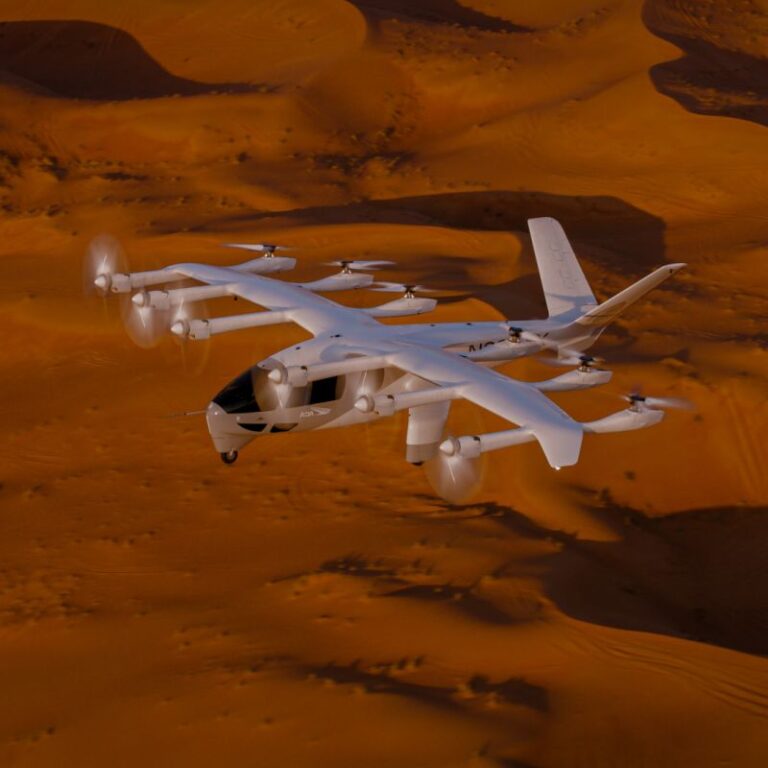
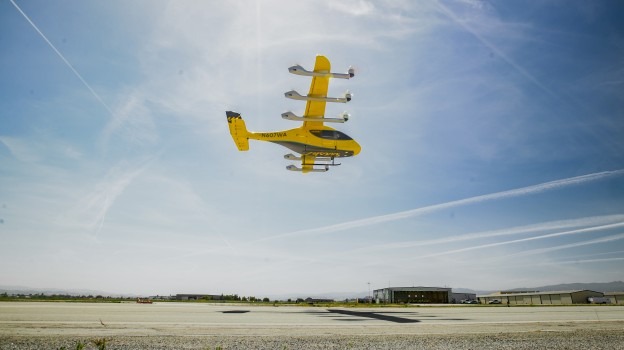
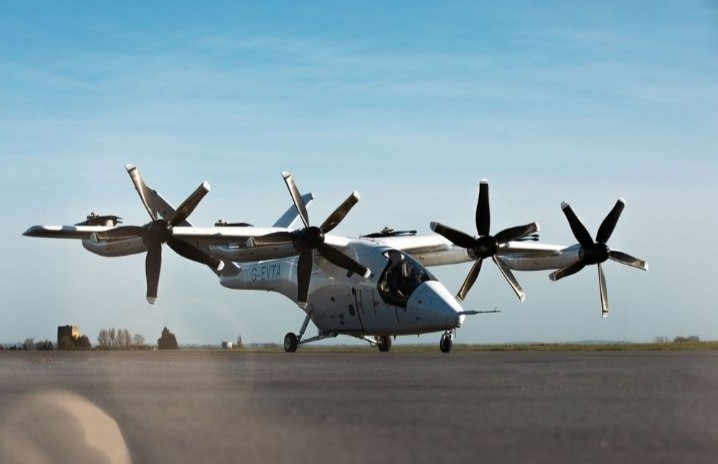
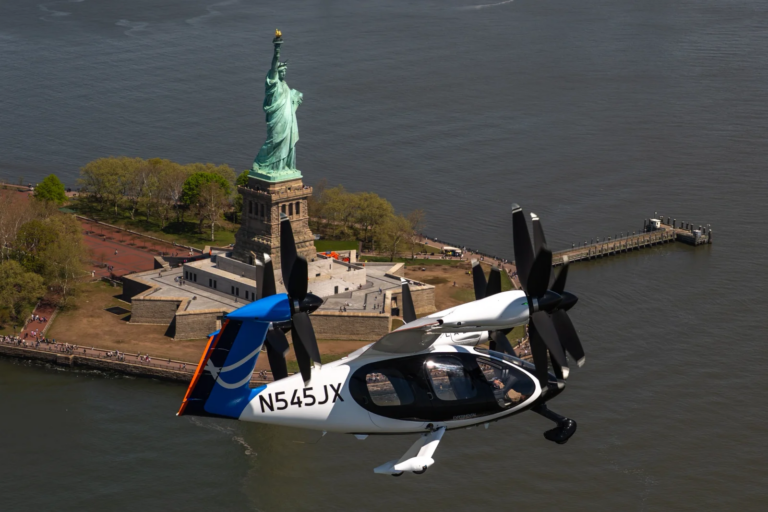
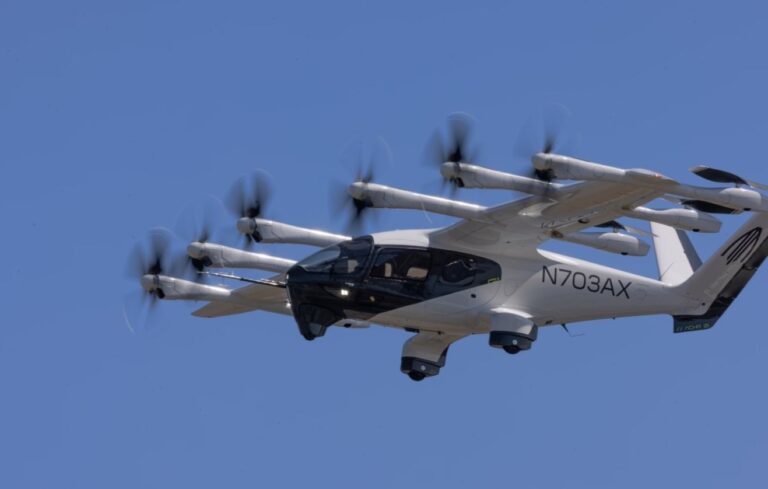
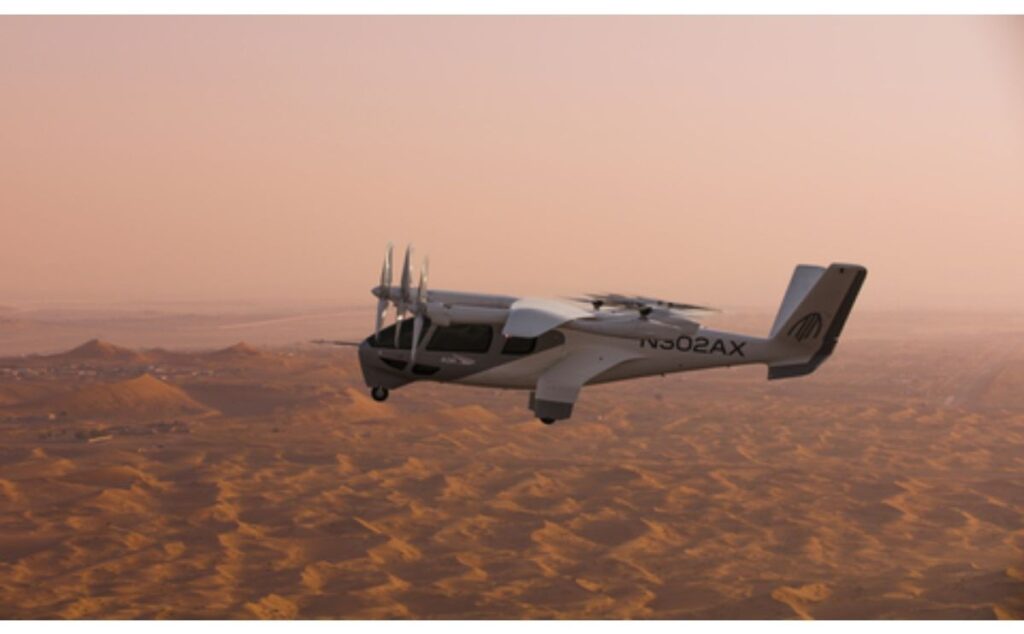
Several companies, including Joby Aviation, Archer Aviation, and Skyports Infrastructure, have chosen the Gulf as a primary launchpad for their operations, particularly in the UAE and Saudi Arabia.
Abu Dhabi, for example, opened the region’s first operational vertiport in 2024. Joby Aviation completed full-transition test flights in the emirate in June 2025. Skyports Infrastructure started building Dubai’s first commercial vertiport, located next to Dubai International Airport. The company announced in late 2025 that the facility was 60% complete, with completion scheduled for Q1 2026.
That timeline is now under direct threat. As reported by the Wall Street Journal, a fire broke out near Dubai International Airport on Monday, March 16, after an Iranian drone struck a fuel tank, the third such attack on the airport since Iran launched assaults on Gulf nations on February 28, following joint US and Israeli airstrikes against the country.
Skyports’ vertiport sits immediately adjacent to the airport. However, when contacted by Carbon Free Aviation, a spokesperson for Skyports confirmed that construction was continuing as scheduled, but said the company was unable to provide public comment on the project due to guidance from local authorities, citing the political situation and national security reasons.

What the conflict means for operations
The conflict has prompted the closure and restriction of large sections of Middle East airspace due to ongoing missile and drone strikes, according to OpsGroup, a global membership-based community dedicated to international flight operations. While major airports including Dubai International and Abu Dhabi’s Zayed International Airport had resumed operations as of March 23, flight schedules remain limited and subject to change.
The European Union Aviation Safety Agency (EASA) and other authorities have issued advisories across several Flight Information Regions (FIRs) recommending against operating at low and medium altitudes (typically between 0 and 10,000 feet, and the primary operating band for eVTOL aircraft) in areas including Saudi Arabia and Oman. The current notices extend through March 27, 2026, though the situation remains unstable and extensions are possible.
Industry response
Major operators have begun acknowledging the disruption publicly. “Our team and partners in the region are in our thoughts, and their safety will always be our top priority,” Archer Aviation CEO Adam Goldstein said. “We will continue to monitor the situation closely. Despite current uncertainty, we remain focused on rapidly progressing our commercialization strategy in the UAE.”
As of March 23, no eVTOL operator had announced the suspension or cancellation of projects in the Gulf. Construction continues, and certification processes are proceeding. However, the future development of the sector remains at risk until hostilities cease; only the coming weeks will tell.