Joby Aviation and Metropolis Announce Alliance to Develop 25 Vertiports in the United States

18 Dec 2025

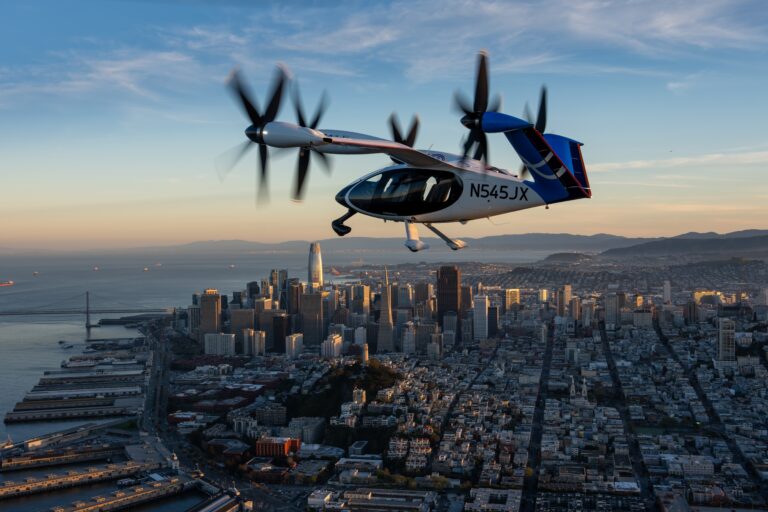
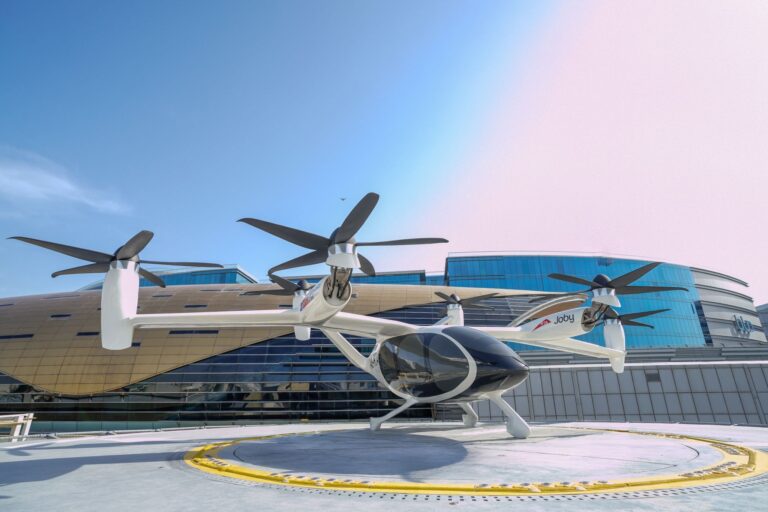
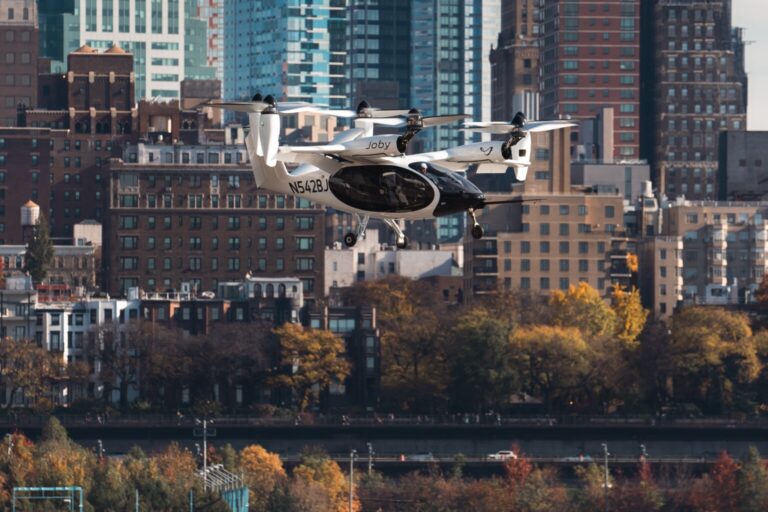
Joby Aviation, a company focused on developing electric air taxis for commercial passenger transport, and Metropolis Technologies, a company specializing in artificial intelligence applied to physical environments, announced a strategic alliance to develop 25 vertiports in the United States, leveraging Metropolis’ existing infrastructure.

The initiative will utilize Metropolis’ network of more than 4,200 parking locations and over 350 aviation-serviced facilities in North America, with the goal of integrating electric air mobility into the ground transportation ecosystem. The vertiports will be evaluated at both new and existing facilities and will be located in early electric air taxi markets.

The project includes the incorporation of AI-based recognition technologies, computer vision, and biometrics, as well as complementary baggage handling services, to facilitate efficient, safe operations that comply with regulatory requirements. These vertiports will function as integrated mobility hubs, enabling a seamless transition between ground and air transportation.

In the short term, Joby’s Blade Urban Air Mobility unit will utilize Metropolis’ Bags VIP services in the New York City area, supporting approximately 5-minute flights between Manhattan and JFK and Newark airports, compared to ground commutes that can exceed 120 minutes during peak hours.

The alliance is built on Metropolis’ recent expansion following its acquisition of SP+ for $1.5 billion and a $1.6 billion Series D funding round, solidifying its position as the largest parking operator in North America. For Joby Aviation, this agreement reinforces its strategy of scaling electric air mobility by leveraging existing infrastructure, reducing the need to develop new facilities from scratch and accelerating commercial deployment.

Source and Credits to Joby Aviation

For more information click <<Here>>
The best investment opportunities in aviation are Carbon Free

Get the latest news, analysis, and opportunities straight to your inbox.

We don’t spam! Read our privacy policy for more info.

The best investment opportunities in aviation are Carbon Free

Get the latest news, analysis, and opportunities straight to your inbox.

We don’t spam! Read our privacy policy for more info.

Archer Aviation stocks fall after Q4 2025 financial results

Archer Aviation stocks fall after Q4 2025 financial results By Nicole Suárez, Carbon Free Aviation JournalistMarch 2026 Archer Aviation published on March 2 its fourth-quarter and full-year 2025 financial results, reporting a record liquidity position alongside one of the company’s most significant regulatory milestones, becoming the first electric vertical take-off and landing (eVTOL) manufacturer to achieve full Federal Aviation Administration (FAA) acceptance of its aircraft’s Means of Compliance. Despite the milestone, Archer’s stock dropped 4.3%

Read More »

Sarla Aviation advances structural validation and flight test preparation while expanding its engineering team

Sarla Aviation advances structural validation and flight test preparation while expanding its engineering team 5 March 2026 The aerospace company Sarla Aviation, based in India, announced continued progress in a critical phase of aircraft development as it prepares for upcoming validation activities and flight test campaigns. According to the company, aviation capability is not built through headlines alone, but through extensive work in laboratories, hangars, engineering reports, and flight campaigns. Sarla Aviation’s engineering teams are

Read More »

FAA launches new U.S. air traffic control system with 2028 implementation target

FAA launches new U.S. air traffic control system with 2028 implementation target 5 March 2026 The Federal Aviation Administration (FAA) and the United States Department of Transportation (DOT) have announced an ambitious initiative to fully modernize the United States air traffic control (ATC) system, aiming to improve safety, reduce delays, and prepare the infrastructure for the future of aviation. The program will replace critical infrastructure such as radar systems, software, hardware, and telecommunications networks, creating

Read More »