Asia and Africa Drive the New Global SAF Map
By Samuel Herrera, Carbon Free Aviation Journalist
The map of sustainable aviation fuel (SAF) is changing rapidly, and the new policies emerging from South Korea and Africa reflect two distinct strategies with the same goal: accelerating the decarbonization of air transport and reducing dependence on fossil fuel.
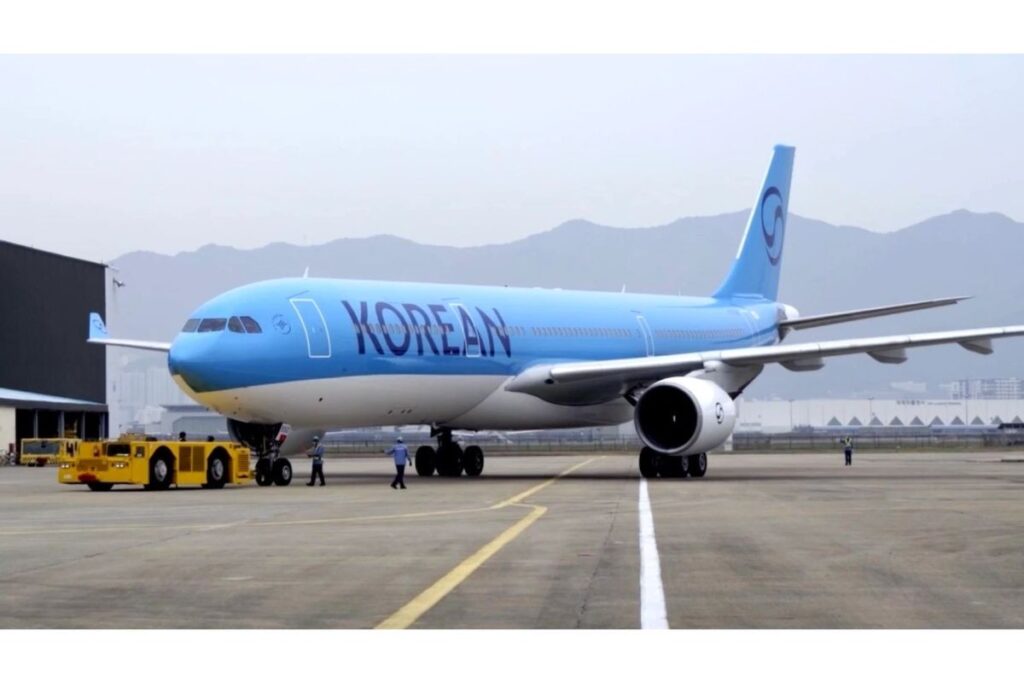
In Asia, South Korea has taken a decisive step by announcing the mandatory use of blended SAF for all international flights departing from its airports starting in 2027. The mandate, designed by the Ministries of Transport and Industry, sets an initial blending rate of 1%, which will progressively increase to 3–5% in 2030 and 7–10% in 2035.
According to Argus Media, this roadmap is part of a national strategy aimed at strengthening domestic SAF production, aligning standards with ICAO, and encouraging collaboration between airlines, refineries, and government agencies.
Beyond the initial mandate, the country will implement a compliance management system requiring international airlines to ensure that 90% of their fuel comes from SAF blends by 2028.
South Korea also plans to offer incentives to those exceeding minimum requirements and penalties equivalent to 150% of the value of the consumption deficit for those failing to comply. Unlike other regulatory frameworks, the Korean strategy combines regulatory pressure with market incentives, including rewards in international traffic rights and direct subsidies for SAF use.
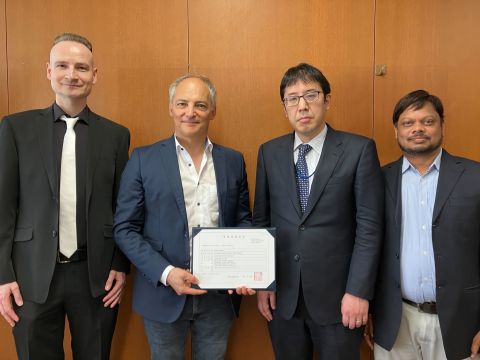
Meanwhile, Africa is preparing for its own green transition. The African Development Bank (AfDB) and Japan’s JGC Corporation have signed a letter of intent to develop SAF projects across the continent, focusing on engineering, investment, and public–private cooperation.
The goal: to reduce aviation emissions in Africa, which currently account for around 3% of the global total, and to build local production infrastructure capable of leveraging regional resources.
The partnership is strategic in more than one sense. Africa faces high import costs and an aging fleet, meaning its transition toward sustainable fuels depends directly on new investments.
For JGC, the agreement also represents an opportunity for technology transfer and positioning in an emerging market with average annual air traffic growth rates above 8%.
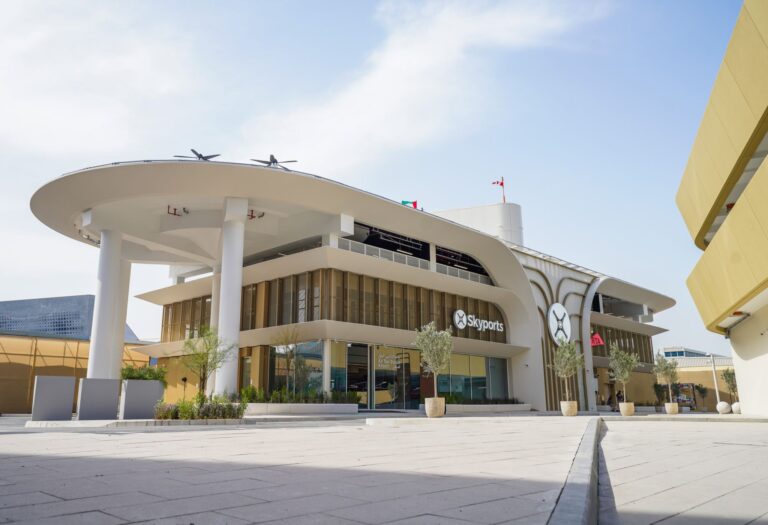
A clear example of this potential can be seen in Morocco, where the country is advancing its green hydrogen and e-fuels strategy, aiming to export to Europe and the MENA region.
However, as Faouzi Annajah, CEO of NamX, explained, “If you want to produce e-fuels, you need hydrogen, and if you want hydrogen, you need energy. The price is too high, and demand is still very low.”
Together, these two cases reveal the structural gap separating technological progress from commercial viability. South Korea has a mature infrastructure and a clear state policy; Africa, on the other hand, has vast energy potential but needs initial investment to unlock it.
Both, however, converge on a critical point: without local production and coordinated financing, SAF cannot scale at the pace required for global decarbonization.
The future of SAF will therefore be defined at the intersection of regulation, investment, and innovation. Asia is setting the pace with mandatory blending targets and controlled supply chains; Africa is striving to build its place in that chain from the ground up.
The new cycle of opportunities in sustainable fuels no longer depends solely on technology—it depends on who can build the economic and regulatory ecosystem to make widespread adoption possible. SAF will not achieve significant impact if it remains under the shadow of high costs.
The message is clear: support, incentives, and feedstocks are needed—along with policies that prioritize expanding supply and commercial use.