Edmonton Airport's Bold Bet on Sustainable Aviation
By Samuel Herrera, Carbon Free Aviation Journalist
Edmonton International Airport (YEG) is more than just a place where planes take off and land; it’s a living laboratory for the future of aviation. By joining the Canadian Advanced Air Mobility (CAAM) ecosystem, YEG is cementing its role as a key player in the global race to create a greener, more efficient air transport system. This move is significant because it brings one of Canada’s largest airports into a network dedicated to decarbonizing the skies, a step that will benefit not only the Edmonton region but the entire industry.
As Canada’s fifth-busiest airport and the largest by land area, YEG is a powerful engine of economic growth, supporting over 23,500 jobs and generating $5.3 billion in economic output. But its vision extends far beyond traditional airport operations. Through its Airport City Sustainability Campus, YEG has become a hub for new technologies like hydrogen fuel, drone logistics, and other decarbonization efforts. This on-site “living lab” allows companies to test and perfect next-generation technologies in a real-world setting, accelerating their path to market.
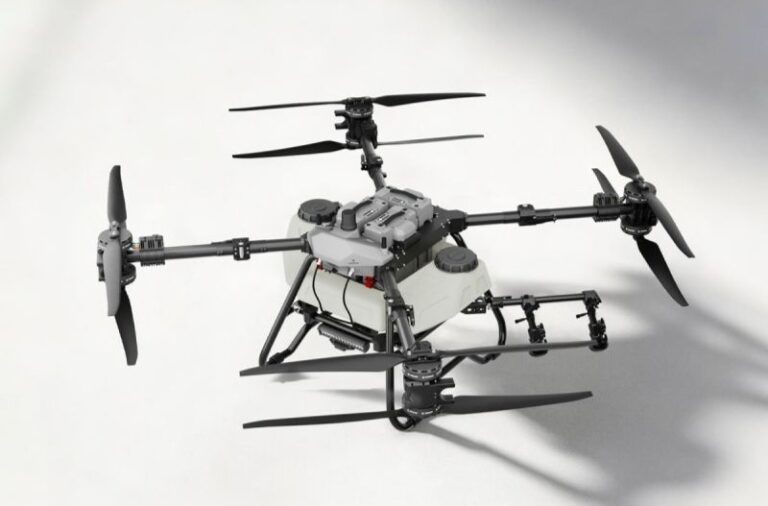
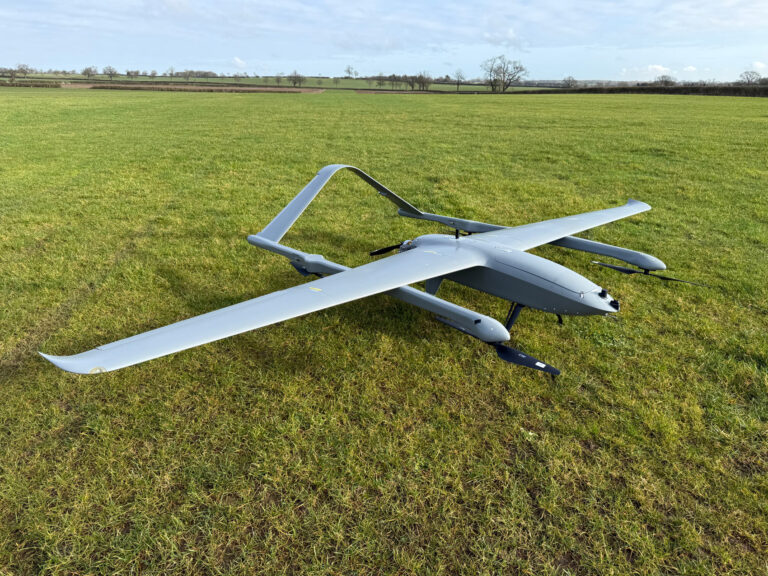
A prime example of this innovation is YEG’s groundbreaking zero-emission drone delivery program. It was the first Canadian airport to launch regularly scheduled drone flights in controlled airspace. This initiative, a partnership with Drone Delivery Canada (DDC) and Air Canada, has already completed thousands of flights, delivering time-sensitive and high-value items, including medical supplies, to nearby communities. This drone program is not just a technological feat; it’s a practical solution for providing faster, more resilient supply chains to remote and isolated areas, all while reducing the carbon emissions from traditional vehicle deliveries. According to YEG President and CEO Myron Keehn, the airport is “focused on advancing sustainable mobility solutions,” and these projects are a direct part of the airport’s commitment to reaching net-zero emissions by 2050 or earlier.

The collaboration with CAAM is a strategic move that will accelerate these efforts. CAAM is a national, not-for-profit consortium that brings together industry, government, and academia to develop Canada’s Advanced Air Mobility (AAM) industry. This partnership gives YEG access to a wider network of innovators, regulators, and potential investors, creating more opportunities for growth and collaboration. It also allows YEG to have a stronger voice in shaping the future of aviation regulations and standards. For investors, this signals a clear commitment from a major airport to not only test but also integrate new technologies. YEG is a pioneer, building the infrastructure needed to support the next era of flight, from hydrogen hubs to drone logistics systems. This proactive approach makes YEG an attractive partner for startups and established companies alike, who are looking to scale their solutions and bring them to a global market.
The move by YEG represents a significant shift in how airports are viewed—no longer just transit points, but as innovative ecosystems driving the decarbonization of the entire sector. The partnership with CAAM will help YEG and its partners move from concept to commercialization more quickly, creating a more sustainable and efficient future for air travel. For investors and decision-makers, YEG’s commitment to sustainable aviation is a strong indicator of where the industry is heading. Investing in companies and projects partnered with forward-thinking hubs like YEG is a smart way to capitalize on the immense potential of carbon-free aviation.