Vertical Aerospace achieves piloted transition flight weeks after cash concerns
By Nicole Suárez, Carbon Free Aviation Jorunalist
8 April 2026
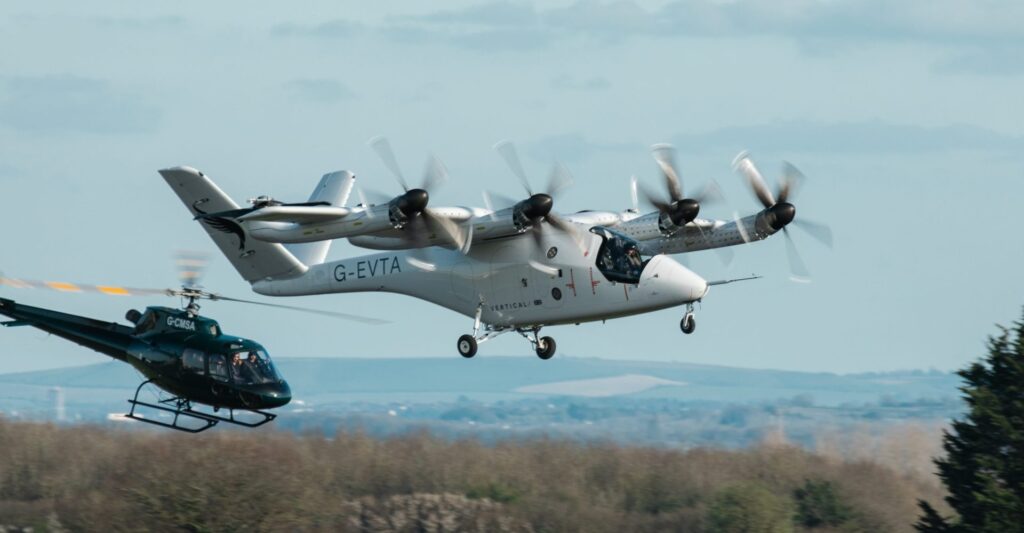
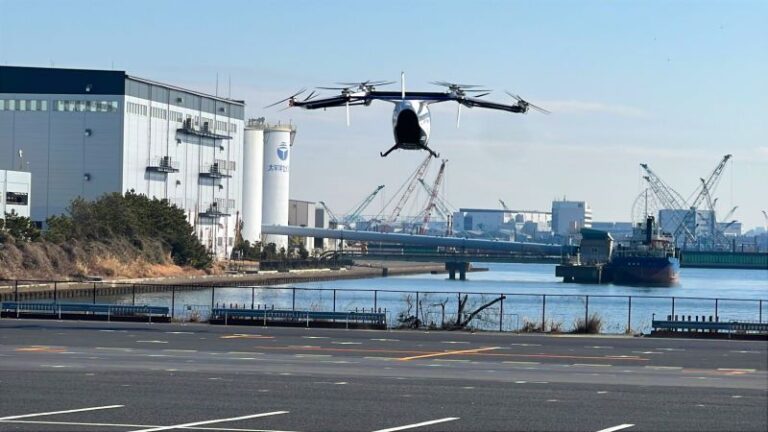
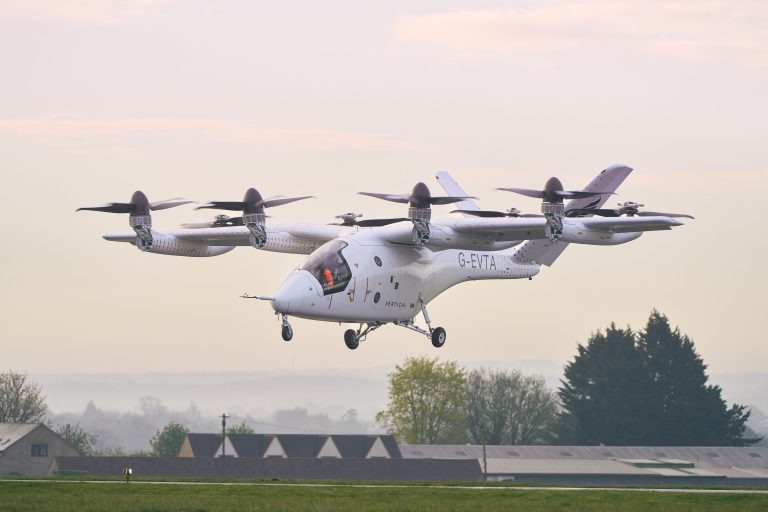
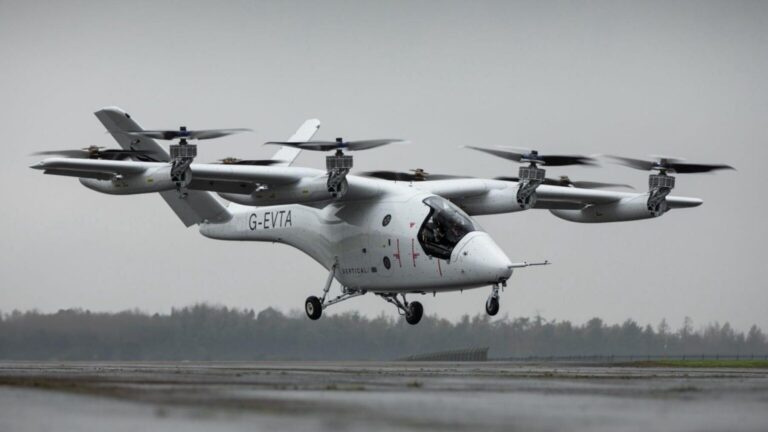
In a press release issued Monday, Vertical Aerospace announced that it completed a piloted thrustborne transition flight of its full-scale electric vertical takeoff and landing (eVTOL) aircraft, Valo. The announcement came just days after the company moved to stabilize its financial position with a comprehensive financing package.
The flight took place on April 2 at Cotswold Airport in the United Kingdom. The aircraft was flown by Vertical’s test pilot Paul Stone, and it took off vertically like a helicopter, its front propellers tilted forward to accelerate into wingborne flight while the rear propellers stowed like on a fixed-wing aircraft, before concluding with a conventional runway landing.
Vertical describes it as an industry first for a piloted, full-scale eVTOL aircraft operating under active regulatory oversight.
The milestone represents the completion of the first half of the two-way transition sequence. In a full two-way transition, as described by Vertical, “the aircraft takes off vertically, flies on the wing, and then decelerates to land vertically, without the need for a runway”. That capability is what enables the point-to-point urban and regional flights that support Valo’s commercial proposition.
What it means for certification
The flight was carried out as part of Vertical’s broader certification program and builds on previous piloted tests that have covered hover, vertical take-off, forward flight, and landing. These activities are being conducted under the supervision of the UK Civil Aviation Authority (CAA), which is working in close collaboration with the European Union Aviation Safety Agency (EASA) toward certification of Valo.
According to Vertical, every step in its Permit to Fly regime requires extensive structural testing, systems validation, simulator work, and detailed evidence submissions to regulators before the next phase is approved. The transition flight data therefore feeds directly into the regulatory record that will support Valo’s certification process.
Chief Engineer David King noted that the aircraft performed exactly as designed, describing the milestone as a pivotal technical proof point for Vertical. “This is not yet final mission accomplished,” he said, “but it is a pivotal technical proof point on our path to two-way transition.”
The remaining step is two-way transition, decelerating from wingborne cruise back into a stable vertical landing. Vertical has yet to disclose a target date for completing it. The company, though, has set 2028 as its target for type certification and entry into service.
Where Vertical stands within the eVTOL sector
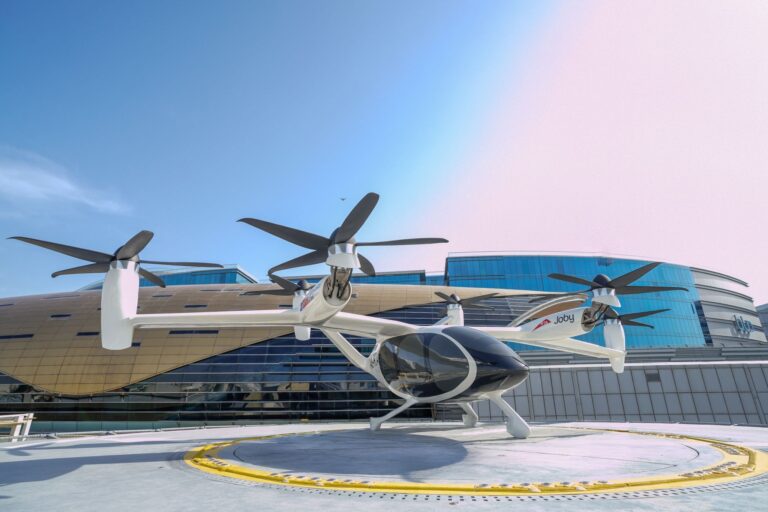
Vertical’s U.S.-listed peers, Joby Aviation and Archer Aviation, are both further along in their respective certification processes, operating under the Federal Aviation Administration (FAA).
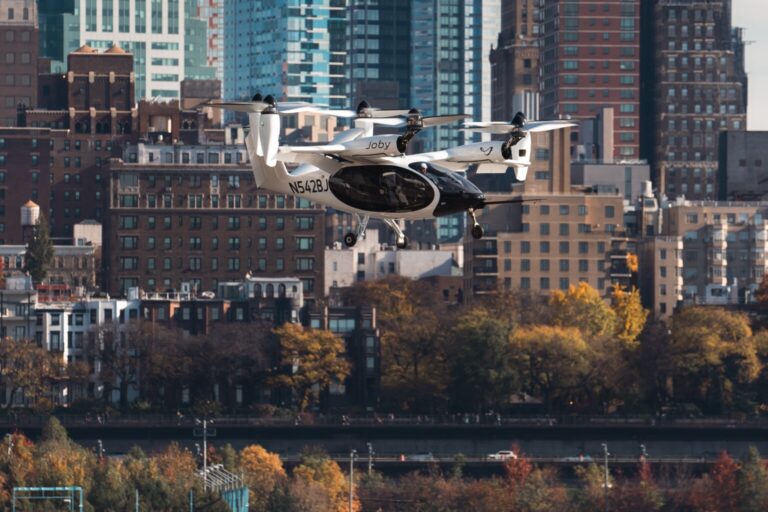
Joby completed a full two-way piloted transition in April 2025, and is now deep into FAA type certification. Archer completed a remotely piloted transition of its Midnight aircraft in June 2024, with piloted flights beginning in 2025. Both companies are targeting commercial service in 2026.
Vertical, by contrast, remains in the Permit to Fly phase under CAA and EASA supervision, with a 2028 type certification target, two years behind its U.S. counterparts. The difference in timelines partly reflects the distinct regulatory frameworks involved: CAA and EASA certification has less established eVTOL precedent than the FAA.
The piloted transition flight comes shortly after the company disclosed financial constraints in its latest annual results, followed recently by an agreement for a financing package of up to $850 million.
The $160 million near-term capital secured in the deal —including the $80 million immediate capital injection— is described by management as sufficient to fund critical certification activities through the remainder of 2026, suggesting the company expects to make further progress on this front within the year. Definitive documents for that deal are due by April 19th.