Joby Aviation report its 2025 financial results along with Uber partnership demonstration
By Nicole Suárez, Carbon Free Aviation Journalist
27 Feb 2026
Joby Aviation published this past February 25 its full-year 2025 financial results and Q4 shareholder letter, reporting record progress on Federal Aviation Administration (FAA) type certification alongside a live demonstration of its partnership with Uber, giving the public its clearest look of the company’s push toward commercial operations.
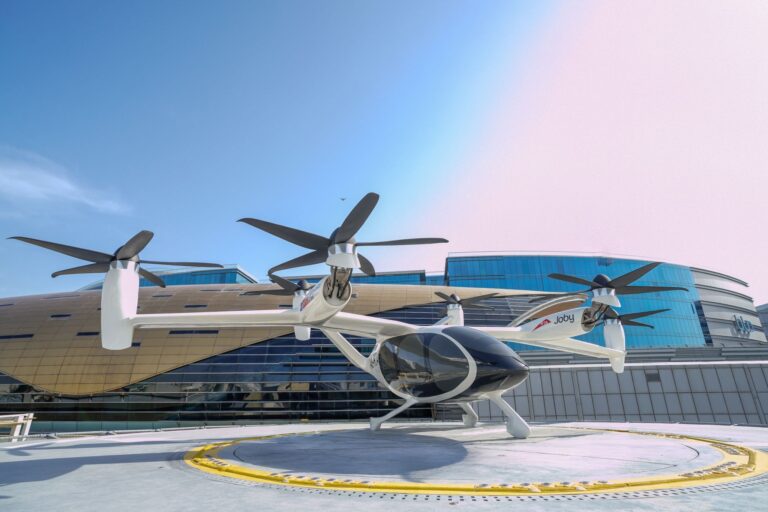
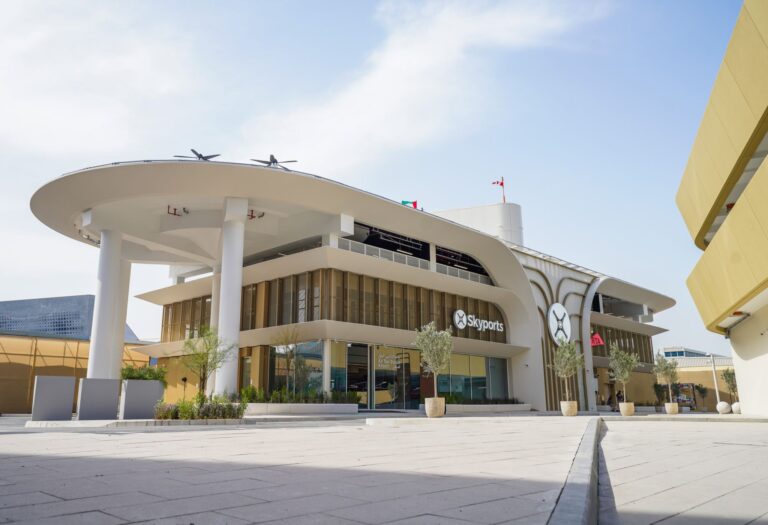
Calling 2026 “a key inflection point,” Joby founder and CEO JoeBen Bevirt framed the company’s fourth-quarter results as the bridge between development and deployment. The statement came as Joby and Uber unveiled on February 24, a day before the earnings release, their “Uber Air powered by Joby” in Dubai, showing how a future passenger will be able to book a Joby air taxi journey directly in the Uber app.
Dubai is where that launch is expected to happen first. Construction of vertiport infrastructure is already underway at Dubai International Airport and the American University of Dubai, with additional sites planned. The company expects to carry its first paying passengers before the end of 2026.
Certification reaches a new stage
These commercial expectations could be supported by their significant regulatory progress. Joby recorded a 18-point advance in Stage 4 (the Testing and Analysis phase) of its FAA type certification process during Q4 2025, with that stage now standing at 80% complete on Joby’s side and 12% on the FAA side.
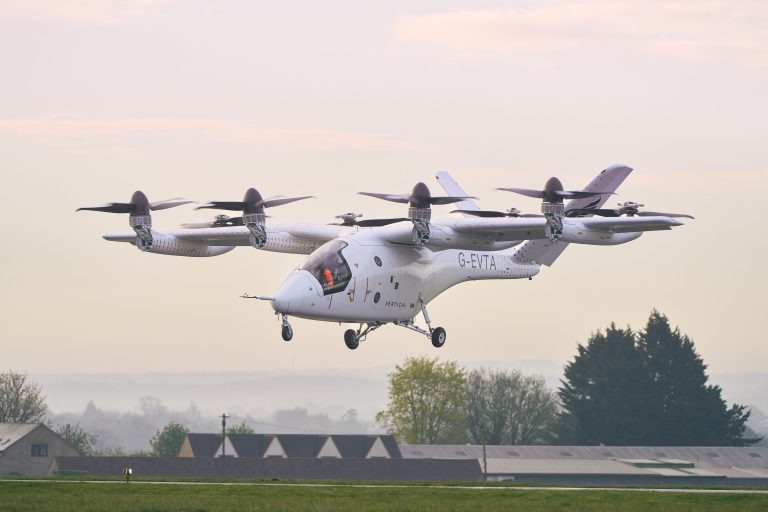
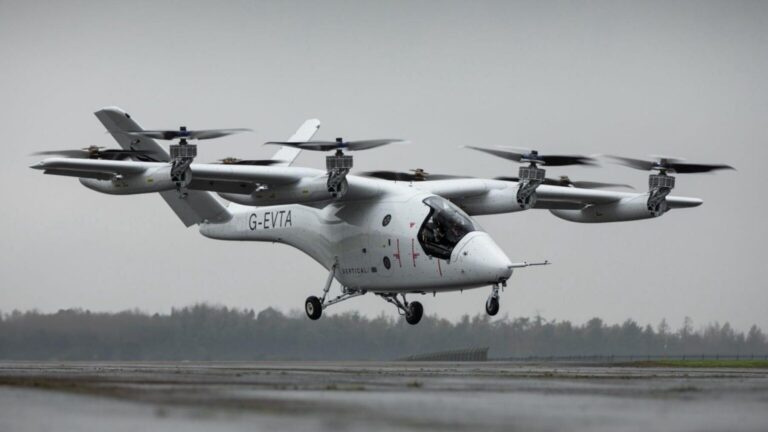
The first FAA-conforming aircraft required for Type Inspection Authorization (TIA) was completing ground testing at Marina Airport in California at the time of the letter’s publication, with the full TIA fleet in production. FAA pilots are expected to fly the aircraft later in 2026 as part of “for credit” testing, a key step toward formal type certificate issuance.
Losses widen, liquidity strengthens
Net losses for 2025 reached $929.8 million, up from $608 million in 2024, driven primarily by a research and development spend of $581.1 million as Joby accelerated its certification and manufacturing programs. Despite widening net losses, this full-year results comparison highlights Joby’s transition toward generating more considerable revenue.
Likewise, the Californian eVTOL developer posted a substantial revenue figure for the first time: $53.4 million for the full year, largely driven by its acquisition of Blade, the helicopter passenger operator it purchased in 2025. Prior to the Blade acquisition, revenue was minimal. Total operating expenses grew to $773 million, compared to $596.9 million the year prior.
Despite the higher burn rate, Joby ended Q4 2025 with $1.41 billion in cash and short-term investments, up from $932.9 million at the close of 2024. The company’s liquidity position was further reinforced in February 2026 when Joby completed concurrent underwritten equity and convertible debt offerings, generating approximately $1.2 billion in net proceeds.
Existing investors Baillie Gifford and funds managed by Counterpoint Global (Morgan Stanley Investment Management) participated in the raise as mentioned in the shareholders letter, bringing total available liquidity to roughly $2.6 billion.
The market interpretation of the numbers
Investors appear to welcome the results. Shares of Joby Aviation rose 5.4% by 10:50 a.m. ET on Thursday after the company reported its Uber partnership and the Q4 results that beat Wall Street expectations on both revenue and earnings, according to reporting from Nasdaq. This suggests that, despite continued losses, investors may be looking past current losses and placing greater weight on certification momentum and operational readiness.