New bipartisan bill seeks to modernize FAA aircraft certification
By Nicole Suárez, Carbon Free Aviation Journalist
24 Feb 2026
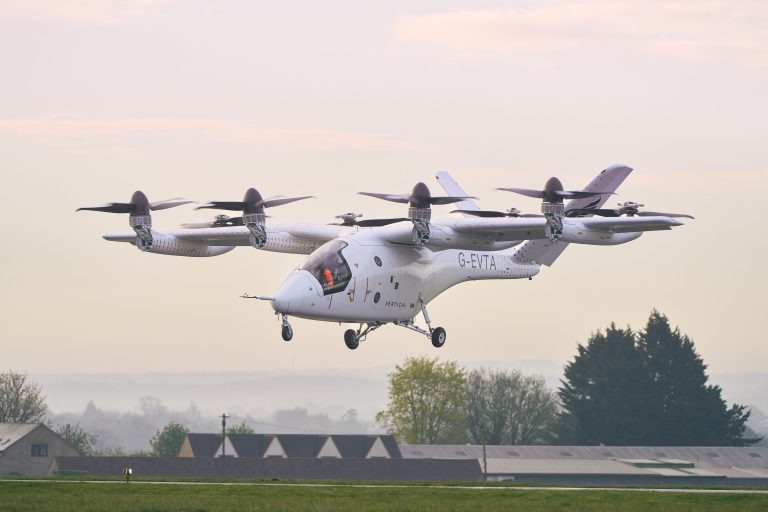
In a proposal to preserve American leadership in the global aerospace sector, the U.S. Congress introduced a new bipartisan bill that aims to address how the Federal Aviation Administration (FAA) certifies emerging aircraft technologies such as electric vertical takeoff and landing (eVTOL) vehicles and other advanced air mobility (AAM) platforms.
Introduced this past February 12 in both the Senate and House of Representatives, The Aviation Innovation and Global Competitiveness Act is designed to modernize, enhance transparency, predictability and accountability in the FAA’s type certification process, which many industry stakeholders view as slow, inconsistent and poorly adapted to novel aircraft designs, as noted by Gulf News.
The legislation is led in the Senate by senators including Peter Welch (D-Vt.), Ted Budd (R-N.C.), Ben Ray Luján (D-N.M.), and John Curtis (R-Utah), with companion sponsors in the House such as Representatives Troy Nehls (R-Texas), Jimmy Panetta (D-California), and Jay Obernolte (R-California).
Likewise, the central focus of the bill is on FAA type certification, the regulatory and rigorous process that ensures aircraft meet safety and airworthiness requirements before it may enter commercial service. However, supporters want to make it clear that the bill is not about lowering safety standards, but about updating regulatory pathways that were largely built for conventional airplanes and helicopters, as stated by Kyle Clark, CEO of BETA Technologies, following his recent congressional testimony.
Therefore, under the proposed act, the FAA would be required to set standard expected timelines for certification review milestones, clarify when certain technical documents are necessary, and provide transparent guidance on how and when it can delegate routine compliance tasks to qualified personnel. The bill would also mandate regular reporting to Congress on the agency’s implementation efforts and workload management.
The bill was welcomed with open arms
The measure has attracted broad support from industry groups and aerospace manufacturers, according to the bill press release.
For example, major trade associations, including the National Business Aviation Association (NBAA), Aerospace Industries Association (AIA), General Aviation Manufacturers Association (GAMA), and the Association for Uncrewed Vehicle Systems International (AUVSI), are endorsing the legislation as what they consider a needed step to improve certification efficiency and transparency.
They also argue that lengthy certification timelines can discourage investment, delay commercialization, and push innovation overseas at a time when global competition in aerospace is intensifying.
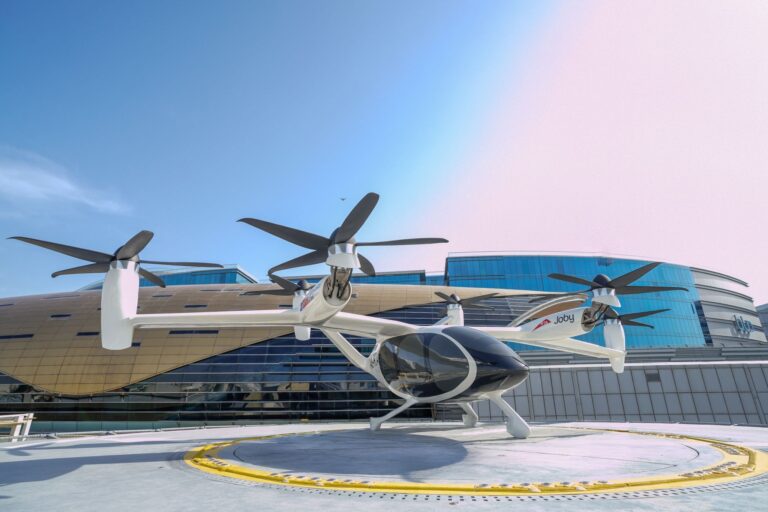
Furthermore, leading U.S. developers of advanced aircraft are also backing the bill, including Joby Aviation, Archer Aviation, Beta Technologies, and Wisk Aero.
Still, there are different opinions regarding the bill
While most of the aviation community welcomes the legislative push, some observers caution that statutory timelines alone may not fully resolve underlying challenges. According to Aviation Week, critics point to ongoing FAA staffing shortages and inherent complexity in certifying radically new technologies as issues that will require sustained attention beyond legislative reform.
Similarly, other areas of the aviation industry don’t seem to fully welcome the legislation. In a public comment on LinkedIn, David Smith, President and CEO of Robinson Helicopter Company, criticized the Aviation Innovation and Global Competitiveness Act, arguing that it would prioritize the certification of eVTOL aircraft at the expense of existing and in-development aircraft programs.
In short, as the bill advances, it is expected to draw attention from manufacturers, investors, regulators, and aviation industry workers alike. They will be watching closely to see whether consensus can be translated into policy that safely accelerates America’s next era of flight.