Hundreds of job openings at Archer and Joby offer clues about the future of eVTOLs
By Nicole Suárez, Carbon Free Aviation Journalist
23 Feb 2026
eVTOL California-based developers Archer Aviation and Joby Aviation are posting hundreds of job openings across engineering, manufacturing, and operations; Carbon Free Aviation analyzed what that reveals about where each company stands in the race to commercialize electric vertical takeoff and landing (eVTOL) aircraft.
What does their job listing tell us?
A review of their corporate career pages and LinkedIn job listings reveals that Archer advertises roughly 220 to 230 open roles, while Joby lists approximately 250 to 300 positions globally.
As of 2026, Archer reports approximately 1,100 employees. If it fills roughly 225 open positions, the company would expand its workforce by about 20%. In Joby’s case, which has around 2,000 employees worldwide, it would grow by approximately 14% if it fills an estimated 275 open roles.
Joby and Archer are posting job openings equivalent to 14-20% of their current workforce (as it was estimated) indicating an aggressive hiring push. This also suggests that both companies are moving beyond research and prototype phases and into certification support, production preparation, and operational build-out.
What can the open roles tell us about their progress from design to production?
The types of roles reinforce the interpretation that the firms are moving beyond just research. A review of the companies’ official careers pages estimates that both Archer and Joby are mostly hiring in engineering and manufacturing, as reflected in the chart. Also, they continue hiring in software integration, and battery technology, which could be evidence that aircraft refinement and regulatory certification remain ongoing priorities.
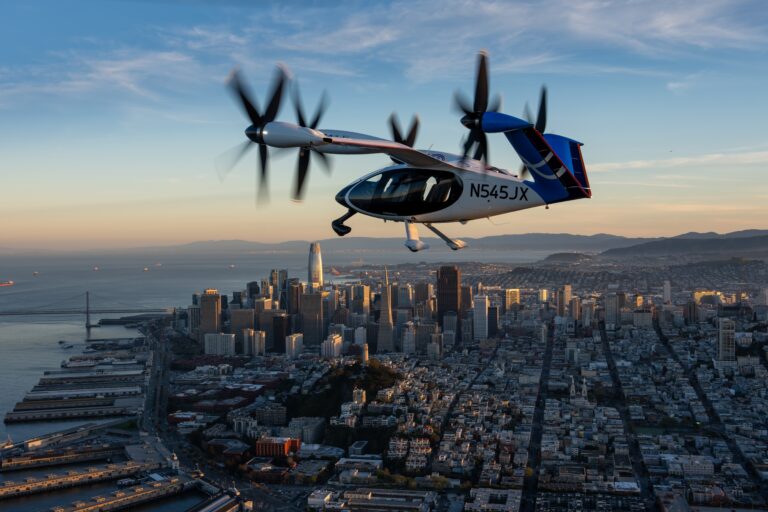
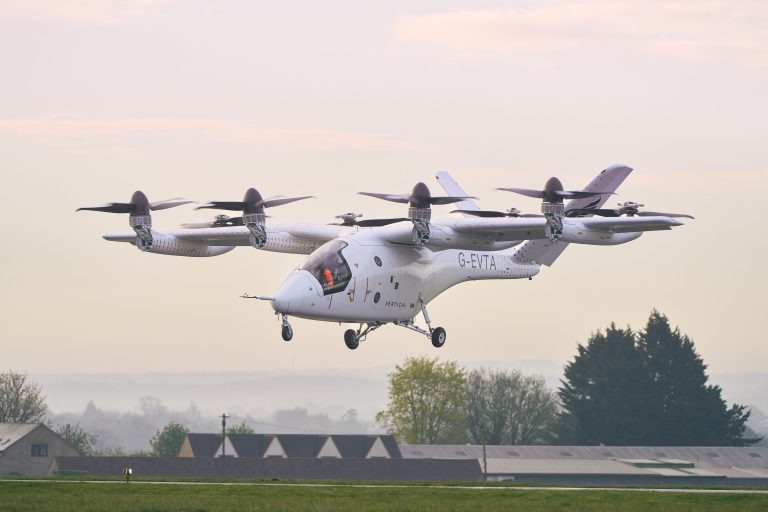
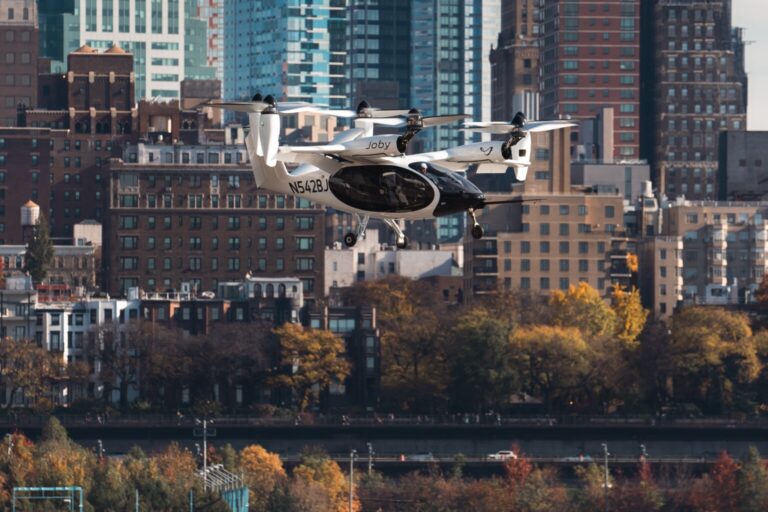
A Joby Aviation Fly Test
Researcher stated in a LinkedIn post that they are enthusiastically looking for manufacturing technicians, electrical and systems engineers with a background in certification, flight test professionals, quality assurance managers
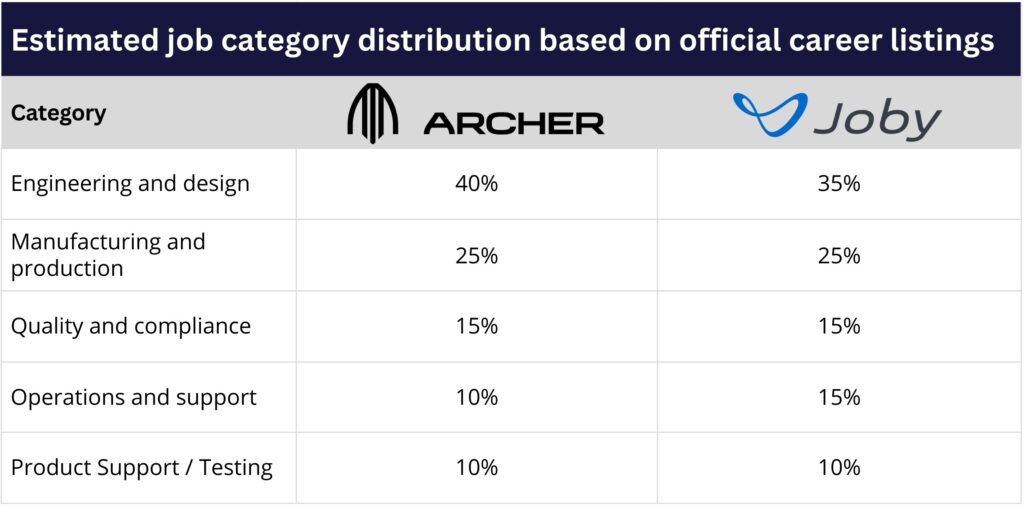
Source: Archer Aviation careers page; Joby Aviation iCIMS careers portal
and these are not early-concept hires, instead, they typically appear when a company is preparing to build aircraft at increasing volumes, whether for certification testing, eventual customer deliveries or pre-production units.
Therefore, Joby’s broader range of operational and product support functions suggests it is building deeper infrastructure around the aircraft life cycle, while Archer’s postings are more weighted toward engineering and core production.
Likewise, in aerospace, production teams must be trained and in place well before commercial launch. Facilities (vertiports) must be operational, supply chains secured, and quality systems audited. Hiring into these areas can indicate that a company believes regulatory approval is approaching within a foreseeable future.
Still, workforce growth at this scale is capital-intensive, especially in California’s high-paying aerospace labor market. According to Indeed, electrical engineers at Archer commonly earn around $144,383 per year, while electrical engineers at Joby average about $149,208 annually, meaning that filling hundreds of roles could add tens of millions of dollars annually to each company’s payroll bill.
Both Archer and Joby remain pre-profit and continue to report significant ongoing cash burn.
In the third quarter of 2025, Joby Aviation reported using approximately $147 million in cash in operating expenses, payroll and working capital cost. And in the same period, Archer reported about $126 million in cash used in operations and capital expenditures. Expanding their workforce adds salary costs, benefits, infrastructure needs, and operational complexity.
Of course, job postings do not guarantee net growth. Some roles replace turnover, and hiring cycles can be lengthy. But taken together, the volume and diversity of roles at both companies point to an industry shifting from experimental prototypes toward operational execution.