1,500+ vertiports for prospective construction between 2025 and 2029
By Nicole Suárez, Carbon Free Aviation journalist
26 Jan 2026
As Advanced Air Mobility (AAM) evolves, so do aircraft and the infrastructure needed for them to properly function. Electric Vertical Take-Off and Landing aircraft (eVTOLs) are revolutionizing urban mobility as we know it, promising people and cargo a route to avoid traffic congestion, a potentially sustainable alternative to land transport, and a quieter way to move around.
However, apart from companies advancing toward certification for commercial service, the industry’s future is heavily tied to suitable infrastructure, and the lack of it remains one of the biggest obstacles to the development of eVTOLs.
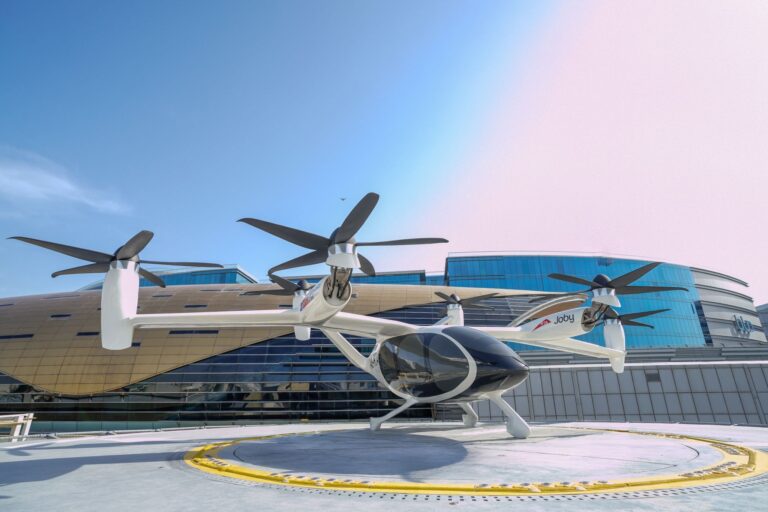
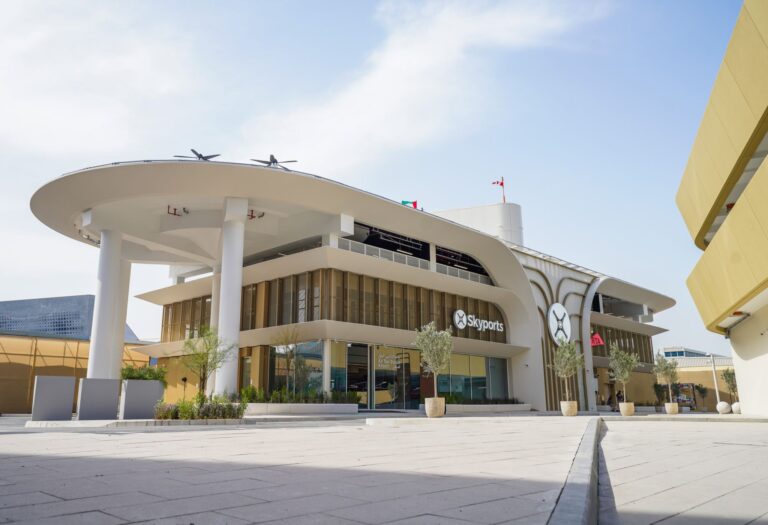
Vertiports, as defined by the U.S. Federal Aviation Administration (FAA), are the structures that support where eVTOLs land, take off, taxi, park, and store. As of now, their development faces many economic and regulatory challenges.
Are vertiports being built?
According to a study published by The Global AAM/UAM Market Map, 1,504 vertiports have been planned for construction worldwide between 2025 and 2029, an increase of 500 since the late 2024 report by the same company.
These structures are crucial to eVTOLs and will include charging stations, traffic management systems, takeoff and landing areas, and should accommodate passenger and cargo operations. The cost to build these infrastructures worldwide is estimated at roughly $1.55 billion, as noted by Low Altitude Economy in its 2025 article.
Yet, there’s still a significant gap between planning and construction. According to the same article, in 2024, just 24 vertiports began physical construction, and The Global AAM/UAM Market Map report estimates that, due to regulatory delays, programme failures and financing obstacles, only about 980 will be built by 2029.
But even if beginning physical construction has been slow and only a small number of planned vertiports have started taking place, movement in France, the UK, Japan, and in some U.S. cities like Chicago and New York City shows that the industry isn’t standing still.
As of May 2025, 11 eVTOL vertiports are operational globally, including Paris AAM in France, Air-One in the UK (the first in the world), and OSAKAKO Vertiport in Japan. Another 22 are under construction in countries such as the U.S., Dubai, and Singapore, with launch dates in late 2025 and mid-2026, according to a Private Charter X report.
There are still challenges the industry has to overcome
Compared to traditional transport infrastructure like heliports, vertiports are more expensive to build due to their specialized requirements, such as multiple landing pads, charging systems, and more. It can cost from “$3 million to over $10-20 million per site”, according to the Low Altitude Economy article.
This makes building vertiports a risky bet, due to the upfront capital costs and uncertain early revenues.
There are also regulatory challenges. Authorities such as the FAA in the U.S. and the European Union Aviation Safety Agency (EASA) in Europe are still defining safety standards, certification pathways, and air traffic rules, with no clear timeline for finalizing these regulations. With regulations still under development, developers of these technologies must still meet all requirements, which increases costs and delays projects.
In short, even though developing the infrastructure to support AAM and eVTROLs is mostly in the early planning stages, it is slowly taking shape but is constrained by regulations and economic hurdles.
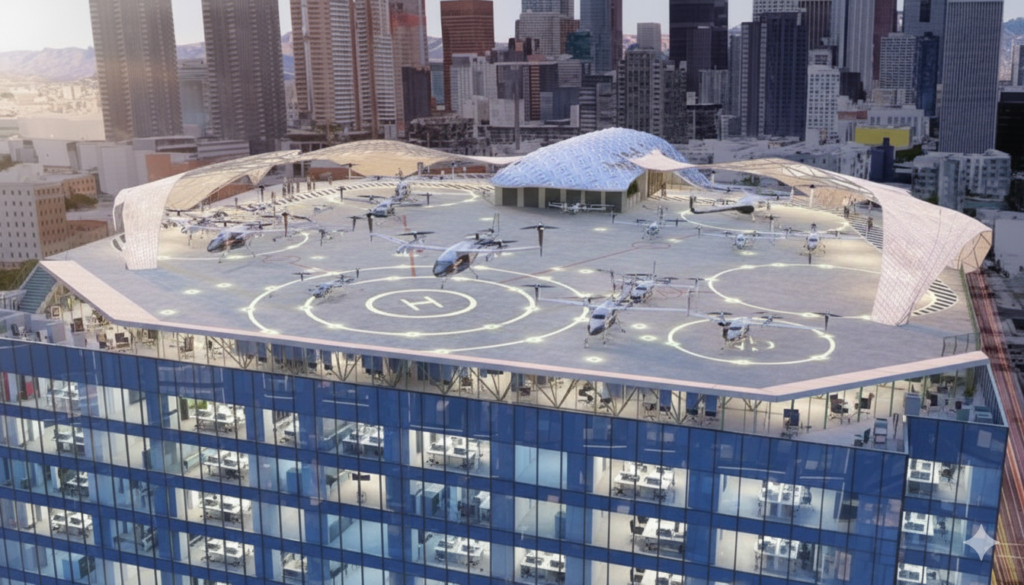
Image Credit: Low Altitude Economy