Lignocellulose: A New Step For SAF
22 Jan 2026
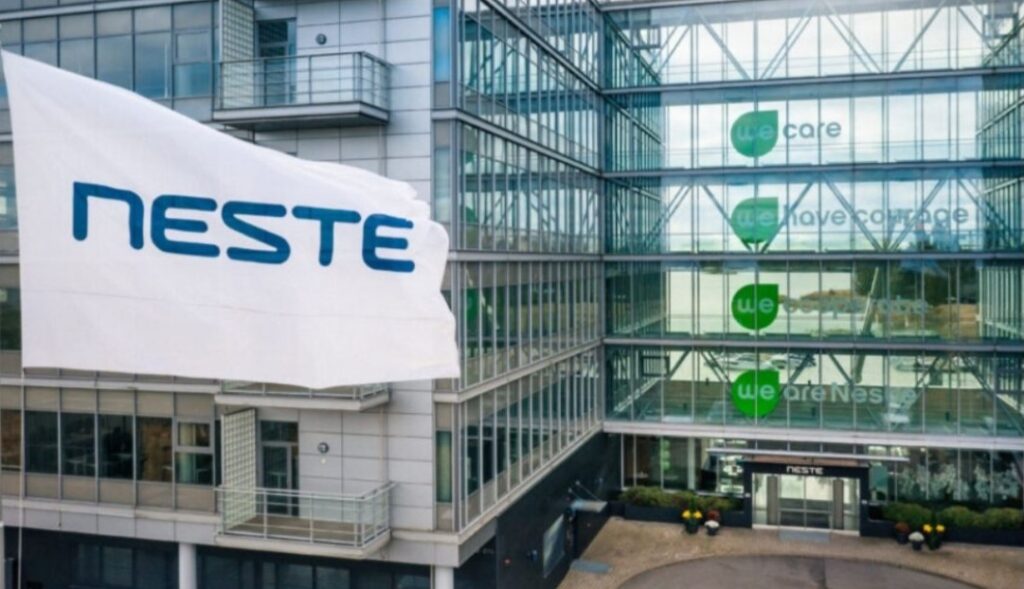
Innovation continues to be the main driver of renewable fuel development, especially in the context of rapidly growing global demand for renewable diesel and sustainable aviation fuel (SAF). Companies like Neste are focusing their efforts on expanding production, diversifying raw materials, and improving technological efficiency to serve sectors that are difficult to decarbonize, such as aviation and heavy transport.
From the development of hydrotreated vegetable oil (HVO) to the commercialization of SAF, the industry has made significant progress over the last two decades. However, the anticipated increase in global demand for lower-carbon fuels requires continuous innovation in production processes, raw material usage, and technical compatibility, particularly under commercial aviation standards.
One of the main challenges identified by Neste is the limited availability of and competition for traditional raw materials, which are currently based on waste and byproducts such as oils and fats. To address this challenge, the company is investing in technologies capable of processing new raw materials, including lignocellulosic biomass from forestry and agricultural waste, which could significantly increase the availability of renewable inputs on an industrial scale.
The technological foundation of this development rests on the patented NEXBTL™ technology, which enables the conversion of a wide range of renewable raw materials into high-quality fuels through catalytic processes. This advancement has been key to scaling up the commercial production of both renewable diesel and SAF.
The Role of SAF in Decarbonizing Aviation
Aviation, responsible for approximately 2–3% of global energy-related CO₂ emissions, has limited short-term options for reducing its climate footprint. In this context, the SAF is positioned as the primary tool available to advance the industry’s goal of achieving net-zero emissions by 2050.
The SAF offers an immediate operational advantage, as it can be used in existing aircraft without modifications to engines or infrastructure. However, the transition to 100% SAF use requires further technical validations and collaboration with engine and aircraft manufacturers.
Industry Collaboration to Accelerate Adoption
Neste maintains strategic collaborations with aerospace companies, including Rolls-Royce, to validate the use of 100% SAF in aircraft engines. These initiatives include ground and flight testing programs to ensure compatibility, performance, and operational safety.
A prime example is the ECLIF3 program, developed in conjunction with Rolls-Royce, Airbus, and the German Aerospace Center (DLR), which evaluated the impact of the SAF on CO₂ emissions and non-CO₂ effects, such as contrails, in flight. This work continues through the PACIFIC project, focused on deepening scientific knowledge about the total climate impact of aviation.
Scalability, Costs, and Commercial Viability
In addition to technical innovation, affordability is a critical factor for the widespread adoption of renewable fuels. The industry agrees that lower-carbon-intensity fuels must be cost-competitive to achieve large-scale implementation and ensure security of supply, reliability, and compatibility with existing fleets.
In parallel, emerging technologies such as e-fuels, produced from renewable electricity and captured CO₂, are still in early stages of development. Although technically viable, their adoption will depend on cost reductions and the development of appropriate regulatory frameworks.
As part of its long-term strategy, Neste is also validating technologies for processing lignocellulosic materials with Chevron Lummus Global, with the goal of scaling these solutions to a commercial level and significantly expanding the renewable feedstock base.
The combination of technological innovation, inter-industry collaboration, and expanded access to raw materials is proving to be a key driver for moving towards a transportation system with lower emissions and greater energy resilience.
Source and Credits to Neste
For more information click Here