Sky Alliance launches advanced air mobility test site in Riyadh
By Nicole Suárez, Carbon Free Aviation Journalist
26 Feb 2026
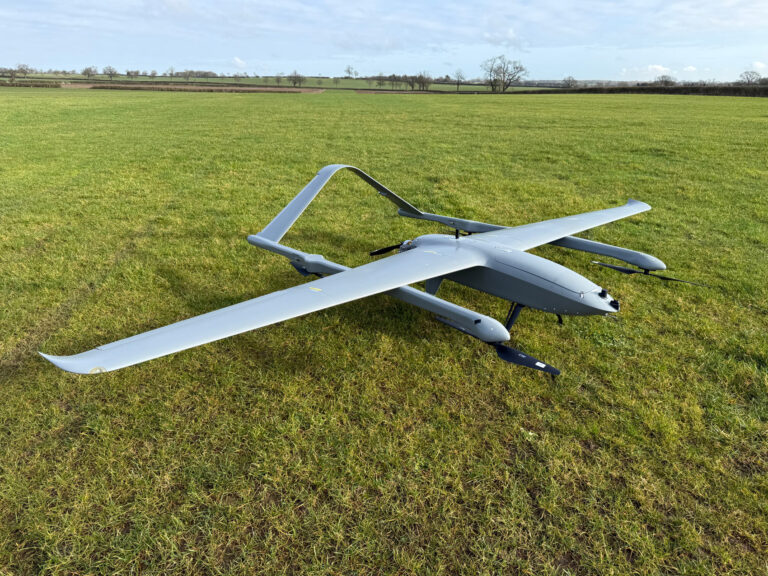
SALAAM.earth (Sky Alliance for Automated Air Mobility) announced the launch of its first Advanced Air Mobility (AAM) test site in Saudi Arabia on February 24th, with operations scheduled to begin in the first quarter of 2026 in northern Riyadh. The FlyNow eCopter will be the first to participate in the test.
The non-profit association, founded in 2024 by both Skyroads and FlyNow Aviation, said the test site functions as a controlled “sandbox” environment where aircraft, supporting systems required for safe AAM deployment such as infrastructure, air traffic management, and secure communication systems can be tested together under real-world conditions.
“We are not just testing the eCopter,” said Yvonne Winter, President of SALAAM.earth and FlyNow Arabia Ltd. CEO, in a statement. “Our goal is to establish a complete environment where next-generation aircraft, including those from other developers, can be tested and integrated into real-world infrastructure.”
In addition, Winter told Carbon Free Aviation that a future fully operational test site, with structured flight campaigns underway, would mean success in the upcoming year for the company. She added that FlyNow aims to demonstrate stable, repeatable flight operations, seamless integration with digital air traffic management, and effective coordination with vertiport and communication infrastructure.
Flynow’s eCopter will be the first one to partake in the test
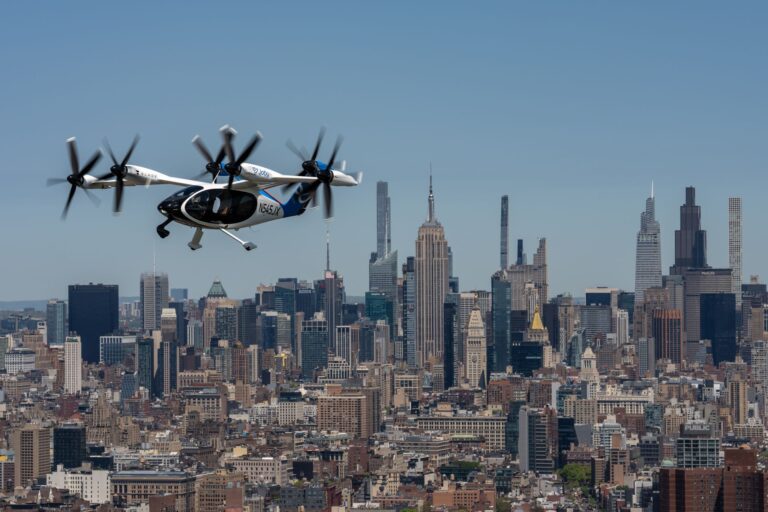
The first aircraft platform to participate will be the eCopter developed by FlyNow Aviation GmbH. The electric, unmanned air taxi is capable of flying up to 50 kilometers at speeds of 130 km/h and can carry either two passengers or up to 200 kilograms of cargo. Variants include personal transport models as well as cargo, firefighting, and rescue configurations.
The sandbox initiative was started by FlyNow Arabia Ltd., a Saudi-headquartered company established to localize production and commercialization of the Austrian-developed aircraft within the Kingdom.
According to the announcement, the site will assess several operational use cases, including urban passenger transport, cargo logistics, and emergency response missions such as medical evacuation and firefighting. The goal is to measure how electric vertical mobility platforms perform across diverse real-world scenarios.
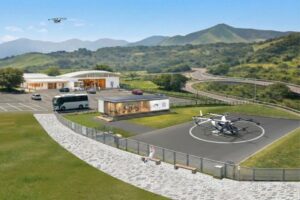
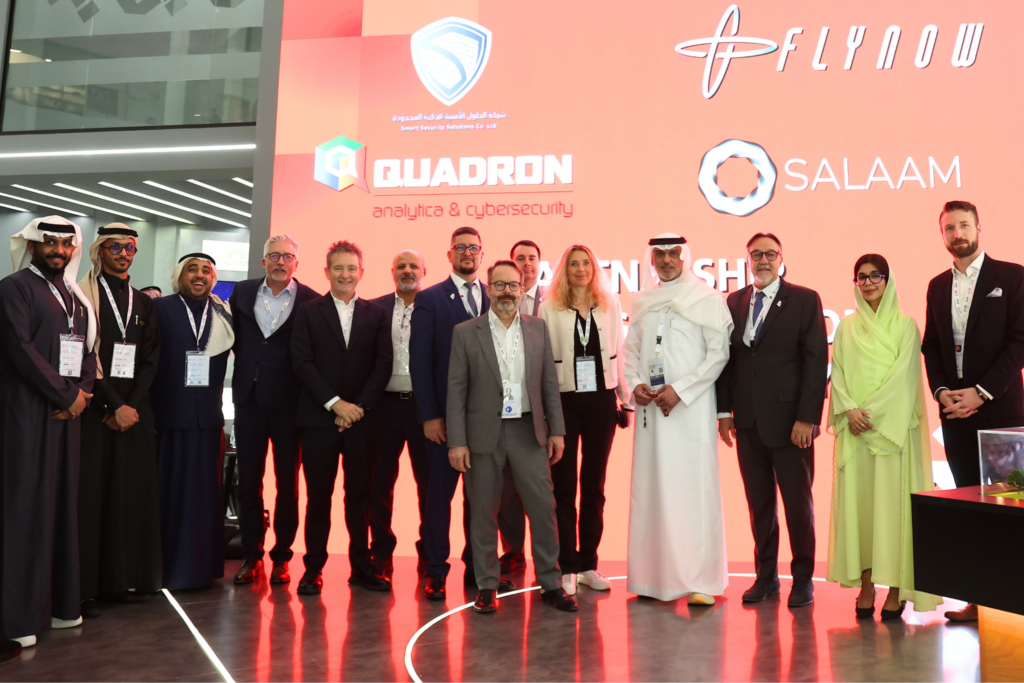
To support the initiative, SALAAM.earth has brought together member organizations across the AAM value chain. Digital air traffic management and automated flight coordination will be delivered by Skyroads, while vertiport and landing infrastructure solutions will come from Unified Aviation. Cybersecurity expertise for safety-critical systems will be handled by Quadron, and secure digital infrastructure and integration will be provided by Makonis.
A verification and compliance framework for low-altitude AAM vehicles will be supplied by International Advanced Air Mobility Trust, while GEME-Aviation will oversee aviation operations expertise and project coordination.
Commercial roadmap
The project is positioned as supporting Saudi Arabia’s Vision 2030 objectives, which emphasize economic diversification, technological innovation, and advanced mobility solutions. Likewise, beyond the initial testing phase, commercial AAM operations in Saudi Arabia are expected over the next few years.
“Our roadmap targets the launch of commercial cargo and firefighting operations in 2028,” said Winter to Carbon Free Aviation. Passenger operations would follow later, in 2030, and only after the company accumulates more than 1,000 flight miles of operational experience with those configurations. The Riyadh test site, she added, will remain active beyond 2028 to evaluate additional use cases and further expand capabilities.
The launch of a real-world integration site marks a tangible step as eVTOL developers are moving towards certification and commercialization. Riyadh’s sandbox may serve as a proving ground not just for a single aircraft, but for the broader ecosystem required to bring urban air mobility from prototype to scalable reality.