
oneworld and BEV set a precedent in SAF adoption
By Samuel Herrera, Carbon Free Aviation Journalist
The oneworld alliance, together with its member airlines and Breakthrough Energy Ventures (BEV), has launched a $150 million investment fund to accelerate next-generation sustainable aviation fuel (SAF) technologies, highlighting that limited production and high costs can no longer delay carbon-free strategies in aviation.
This initiative adds to the industry’s growing focus: SAF is emerging as indispensable not only to meet emissions targets but also to sustain aviation’s growth in a world that demands immediate action.
Context and relevance
Air transport is facing mounting pressures: stricter regulations, consumer demands, and the climate emergency prevent airlines from continuing to operate under the parameters of the past.
Although SAF already offers significant lifecycle emission reductions compared to fossil fuels, its adoption has been slow, constrained by economies of scale, cost structures, still-insufficient public incentives, and technological barriers.
As aviation expects to continue growing, especially in emerging regions, the need to deploy viable and competitive SAF is no longer an aspiration but a strategic requirement.
The oneworld + BEV announcement
The oneworld BEV Fund aims to change this reality. Led by Alaska Airlines and American Airlines as principal investors, with participation from IAG, Cathay Pacific, Japan Airlines, and Singapore Airlines, the fund seeks to identify, enable, and scale SAF technologies that are low-carbon, cost-effective, and scalable.
BEV, with its technical expertise and rigorous diligence model, will be key as investment manager. In addition, the initiative emphasizes the importance of diversified and resilient supply chains, as well as public policy frameworks that support production and reduce regulatory and economic barriers.
Industry perspectives
Similar voices are being heard worldwide: industry leaders agree that the adoption of SAF is inevitable if aviation is to meet its climate commitments and maintain economic growth.
It is highlighted that ensuring infrastructure, clear supportive policies, financial incentives, and international collaboration will be just as essential as private funding. In this sense, the oneworld + BEV initiative aligns with these perspectives, taking the lead with a collective action model that could serve as a reference for other alliances, airlines, and governments.
Robert Isom, CEO of American Airlines and chairman of oneworld, stressed that investing in SAF unlocks technologies with the potential to scale at lower costs, reduce emissions, and strengthen the sector’s competitiveness.
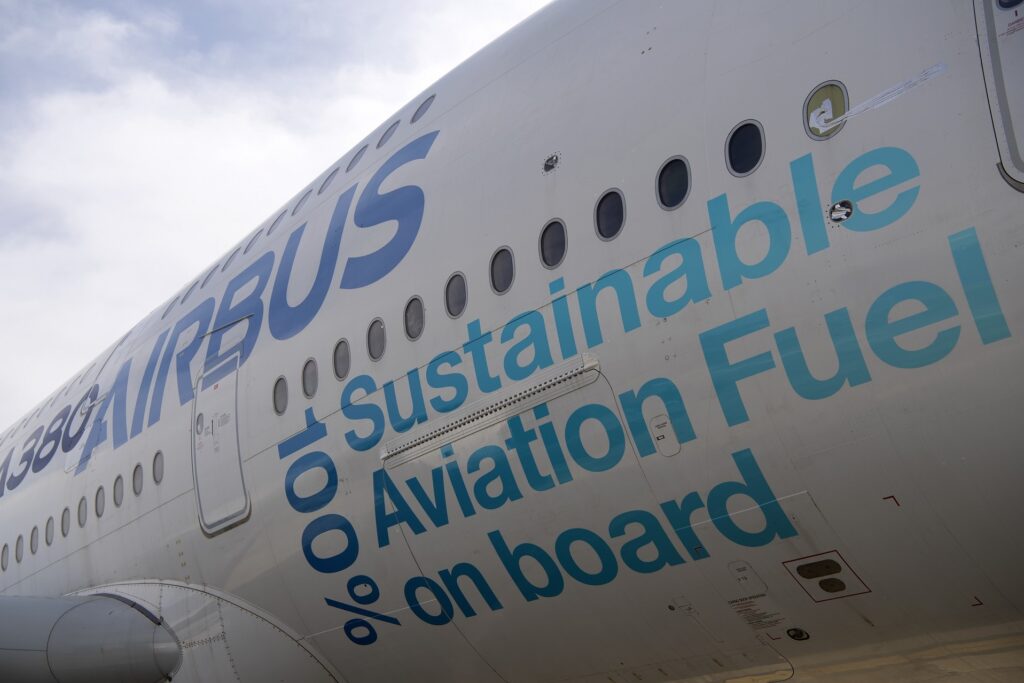
“We believe reducing the emissions from our operation meets the demands of our customers, will make our business more competitive, and will enable us to continue to deliver the enormous economic benefits of commercial aviation for generations to come.”
Other partners agree that collaboration among airlines, regulators, and investors will be decisive for SAF solutions to move from pilot projects to large-scale commercial operations.
The industry looks to the future
The launch of the BEV fund by oneworld not only represents a concrete step to finance technological innovation but also sends a clear signal: the transition to SAF must be accelerated and requires both private investment and regulatory support.
If political frameworks are adjusted, tax incentives strengthened, and technology continues to progress, SAF can move from being a marginal complement to becoming the backbone of global aviation fuel.
Ultimately, the commitment of oneworld + BEV envisions a scenario where aviation can reconcile growth with climate responsibility.
It is not only about reducing emissions but about ensuring that the aviation sector continues to generate economic development, innovation, and employment—now under a sustainability plan.