Household Waste Emerges as One of the Most Scalable Solutions for Sustainable Aviation Fuel
9 Feb 2026
As global air traffic continues to grow and governments introduce binding Sustainable Aviation Fuel (SAF) mandates, the gap between future aviation demand and the realistic supply of SAF is widening. Faced with this challenge, converting non-recyclable household waste into jet fuel is moving from a fringe idea to one of the most viable large-scale alternatives.
Currently, the SAF market is dominated by HEFA fuels, produced from fats and oils (FOG). While a proven and commercially mature solution, these feedstocks are limited and already compete with other energy uses such as biodiesel. This structural constraint has led the industry to recognize that diversifying feedstocks is no longer optional, but essential to meeting long-term decarbonization goals.
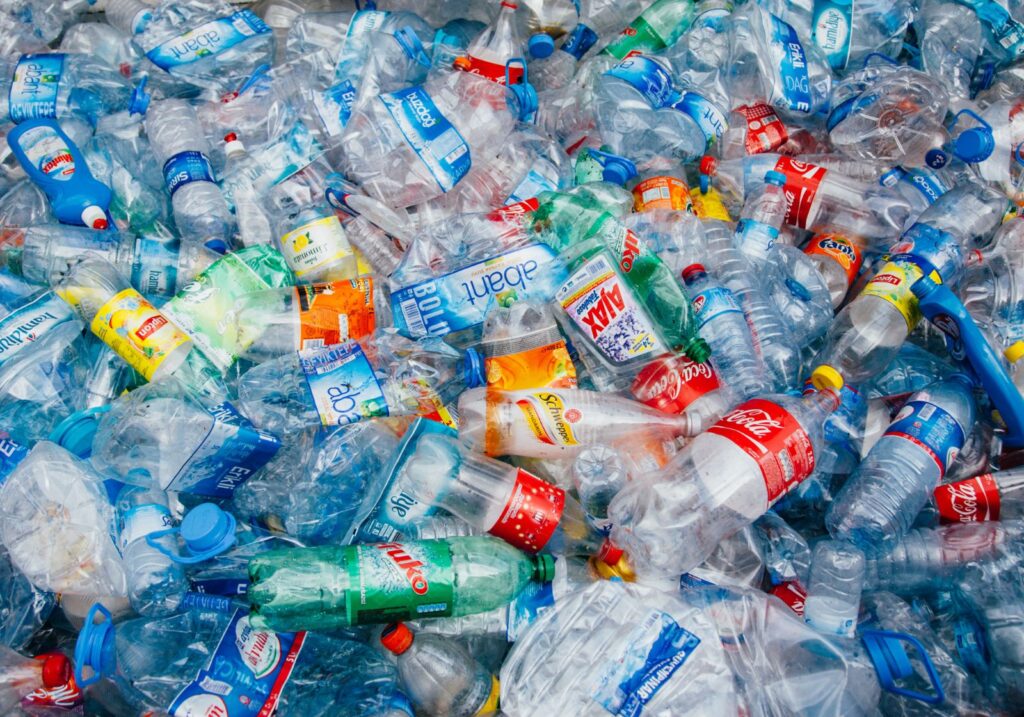
In this context, household and municipal waste represents one of the world’s most underutilized energy resources. International studies estimate that more than 62.5 billion liters of aviation fuel could be generated annually from waste, with the potential to reduce global aviation emissions by up to 16%. Furthermore, waste-derived SAF can reduce lifecycle emissions by up to 80–90% compared to conventional fossil fuels, without competing with food, agricultural land, or water resources.
Avioxx has developed an approach specifically designed to work with the inherent variability of waste. At its Advanced Fuels Plant in Cheshire, non-recyclable mixed waste is converted into synthesis gas via gasification and subsequently into SAF using Fischer-Tropsch synthesis. Unlike other systems, waste variability is considered a design requirement, not an operational exception.
A key element of the system is its energy and molecular integration, which combines a solid oxide fuel cell with an electrolyzer, allowing for the internal balancing of energy, hydrogen, and oxygen. This architecture stabilizes the quality of the synthesis gas and enables consistent SAF production even with complex and fluctuating waste streams.
The relevance of this approach is twofold. On the one hand, aviation consumes approximately 4,000 TWh of energy per year, a volume impossible to meet solely with traditional biofuels. On the other hand, the world faces a growing waste crisis, with millions of tons of materials ending up in landfills or incinerated, generating additional emissions.
SAF from waste allows us to address both challenges simultaneously: it reduces emissions, decreases pressure on landfills, and transforms waste into a strategic input for global connectivity.
The conclusion is clear: the question is no longer whether aviation should change, but which technologies can scale at the pace aviation requires. In this scenario, sustainable aviation fuel based on waste is transitioning from an interesting possibility to an increasingly unavoidable necessity.
Source and Credits to Avioxx
For more information click Here