
Certified eVTOL operations expected before the end of 2028
By Nicole Suárez, Carbon Free Aviation Journalist
29 Jan 2026
Electric vertical takeoff and landing aircraft, also known as eVTOLs, are reshaping the future of urban mobility with their promise of quiet, eco-friendly, and efficient short-distance transportation.
However, despite the enthusiastic developers and billions in investment, it remains uncertain when the industry will reach widespread commercial service, as it depends heavily on the painstaking certification process under civil aviation authorities, which have proven to be a real challenge.
The pathway to certification
For eVTOLs to transition from prototype demonstrations to revenue-generating passenger service, they must obtain type certification from regulators such as the Federal Aviation Administration (FAA) and the European Union Aviation Safety Agency (EASA).
Type certification, according to Real Time Consulting, “is a structured and rigorous process that ensures Unmanned Aircraft Systems (UAS) can operate safely”. In this multi-year, costly 5-step process, authorities approve an aircraft’s design, ensuring it meets strict safety, airworthiness, and environmental standards for passenger service.
The companies developing this technology have been struggling for several years to meet the requirements and bring it to market, only to face delays. For example, as mentioned in the Private Charter X report, German electric aircraft manufacturer Lilium N.V. declared insolvency in November 2024 after failing to secure timely EASA approval, while Eve Air Mobility, a Brazilian company, pushed last year’s commercial launch targets from 2026 to 2028.
To help accelerate the international deployment of eVTOL services, in June of last year, regulators from 5 nations (the U.S., UK, Canada, Australia, and New Zealand) established what they called the “Roadmap for Advanced Air Mobility Aircraft Type Certification” to harmonize certification standards. This multinational effort seeks to align airworthiness requirements and streamline approval processes by January 2027.
According to an interview with Chris Rocheleau, FAA Deputy Administrator, given to Helicopter Investor, in the U.S., certified eVTOL operations are expected before the end of 2028, but small-scale operations could start before full certification. Rocheleau also noted that while regulators are prepared to integrate eVTOLs into the national airspace, the pace largely depends on manufacturers meeting stringent standards.
Industry Progress
Major manufacturers have made progress towards certification. For instance, last year Joby Aviation, one of the early leaders in the industry, announced that several of its aircraft had entered Type Inspection Authorization (TIA), the final stage of the FAA Type Certification process, marking a critical milestone on the company’s path to commercialization.
There’s also Eve Air Mobility, which, this past January 20th, secured $150 million in debt financing from a syndicate of leading financial institutions. According to the company’s latest report: “This financing provides long-term resources necessary to accelerate development, advance certification, and execute our strategic roadmap through 2028 and beyond.”
But certifying aircraft is only one of the challenges the industry faces. Cities have to build vertiports (read about it here), establish air traffic systems for low-altitude flights, and address public concerns around noise and safety. Even with regulatory progress, these factors could delay commercial rollout.
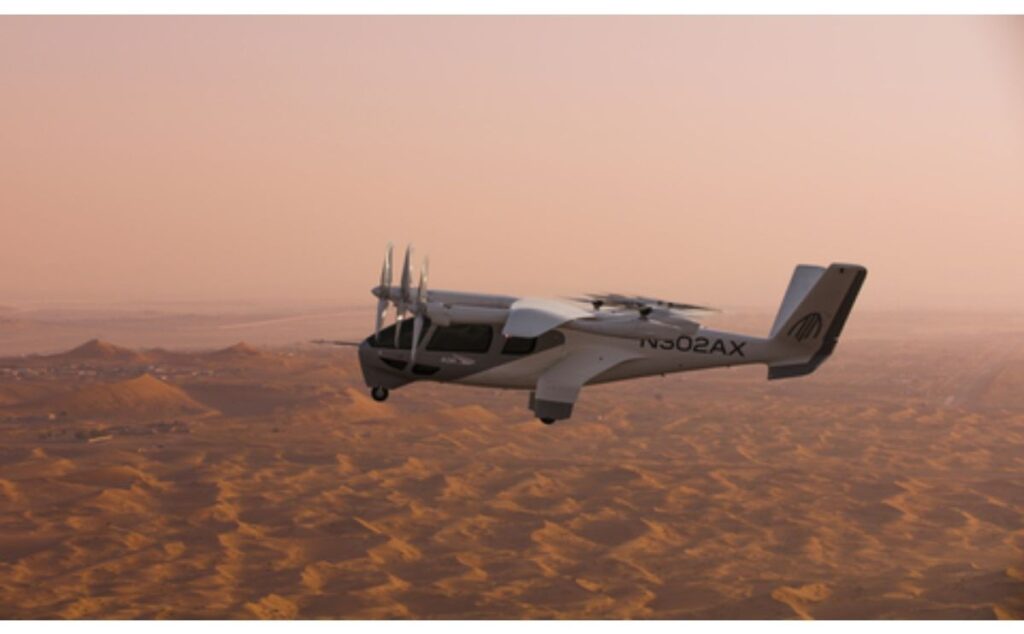
Image Credit: Archer